Anaemia is a common health concern among women, often overlooked until symptoms become severe. It occurs when the body lacks sufficient healthy red blood cells to carry oxygen to tissues. This can lead to fatigue, weakness, and other health issues. Women in Chinchwad, Pimpri, Wakad, Thergaon, Ravet, and Kiwale often face anaemia due to lifestyle factors, hormonal changes, and reproductive health conditions. Consulting a gynaecologist like Dr. Bharati Patil, Obstetrician & Gynaecologist at Chetna Hospital, Chinchwad, Pune, is crucial for early detection, treatment, and prevention.
Understanding Anaemia in Women
Anaemia is not a disease itself but a condition caused by various underlying factors. It primarily results from iron deficiency, but other causes include vitamin B12 deficiency, folate deficiency, chronic diseases, and blood loss. Women are particularly vulnerable due to menstrual blood loss, pregnancy, childbirth, and hormonal changes.
Iron is essential for producing haemoglobin, the protein in red blood cells responsible for carrying oxygen. When iron levels drop, oxygen transport becomes inefficient, resulting in fatigue, dizziness, and other symptoms.
Common Symptoms of Anaemia in Women
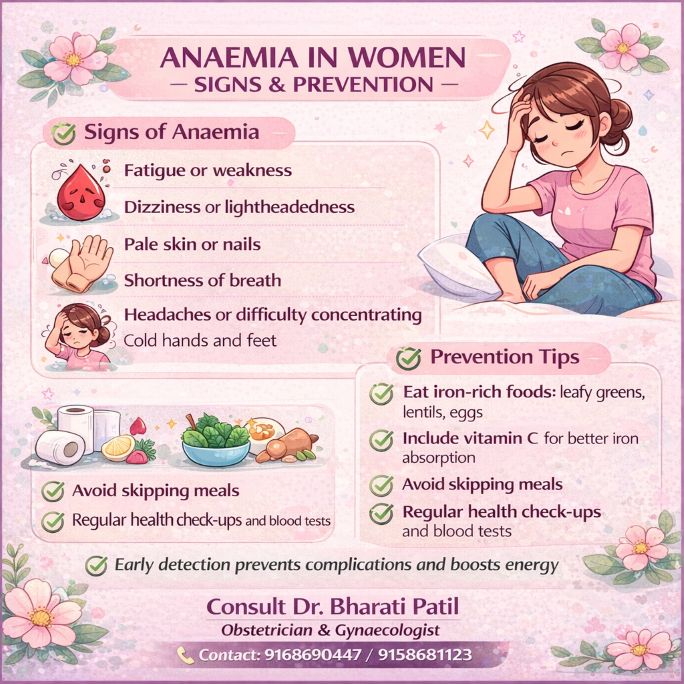
Recognizing the signs of anaemia early is critical. Dr. Bharati Patil, serving women across Chinchwad, Pimpri, Wakad, Thergaon, Ravet, and Kiwale, identifies the following common symptoms:
- Fatigue or weakness – Feeling tired even after adequate rest.
- Dizziness or lightheadedness – Often experienced when standing up quickly.
- Pale skin or nails – A noticeable reduction in natural color.
- Shortness of breath – Difficulty breathing during routine activities.
- Headaches or difficulty concentrating – Brain receives less oxygen, causing cognitive issues.
- Cold hands and feet – Poor circulation due to reduced red blood cells.
Women experiencing these symptoms should not ignore them, as untreated anaemia can affect fertility, pregnancy, and overall health.
Causes of Anaemia in Women
Several factors contribute to anaemia in women, particularly in reproductive age:
1. Menstrual Blood Loss
Heavy or prolonged periods (menorrhagia) can significantly reduce iron levels, making women more susceptible to anaemia.
2. Pregnancy
During pregnancy, iron and folate requirements increase to support fetal development. Without proper nutrition or supplementation, pregnant women can develop iron-deficiency anaemia.
3. Poor Diet
A diet lacking iron-rich foods (leafy greens, lentils, meat, eggs) and vitamin C (enhances iron absorption) increases the risk of anaemia.
4. Gastrointestinal Issues
Conditions like ulcers, gastritis, or malabsorption disorders can impair iron absorption, contributing to anaemia.
5. Chronic Diseases
Kidney disease, autoimmune disorders, and other chronic illnesses can reduce red blood cell production, causing anaemia.
6. Hormonal Imbalance
Conditions like PCOS or thyroid disorders may indirectly contribute to anaemia through irregular menstrual cycles or metabolic changes.
Why Women are More Vulnerable
Women’s reproductive health makes them more prone to anaemia:
- Monthly menstrual cycles involve blood loss.
- Pregnancy and breastfeeding increase nutrient requirements.
- Hormonal changes may affect appetite or nutrient absorption.
- Lifestyle factors such as skipping meals, vegetarian diets, or stress impact iron intake.
By consulting a gynaecologist in Chinchwad like Dr. Bharati Patil, women can assess their risk and receive personalized advice for prevention and treatment.
Prevention Tips for Anaemia
Preventing anaemia involves a combination of healthy diet, lifestyle modifications, and regular medical check-ups. Dr. Bharati Patil recommends the following strategies for women in Chinchwad, Pimpri, Wakad, Thergaon, Ravet, and Kiwale:
1. Eat Iron-Rich Foods
Include foods such as:
- Leafy greens (spinach, kale)
- Lentils and legumes
- Eggs and lean meat
- Nuts and seeds
2. Boost Iron Absorption with Vitamin C
Vitamin C-rich foods like citrus fruits, tomatoes, and bell peppers enhance iron absorption from plant sources.
3. Avoid Skipping Meals
Regular, balanced meals ensure steady nutrient intake and help prevent deficiencies.
4. Take Iron Supplements if Prescribed
Women with diagnosed iron deficiency may need supplements. Dosage and duration should be guided by a gynaecologist or physician.
5. Regular Health Check-Ups
Routine blood tests can detect anaemia early, even before symptoms appear. Women in reproductive age should schedule annual check-ups.
6. Manage Heavy Periods
Consult a gynaecologist for management of heavy menstrual bleeding, which is a significant cause of anaemia.
7. Lifestyle & Habits
- Avoid excessive caffeine and tea, which hinder iron absorption.
- Engage in light exercises to improve circulation and energy.
- Manage stress effectively, as it impacts appetite and digestion.
Anaemia During Pregnancy
Pregnancy significantly increases iron and folate needs. Anaemia in pregnancy can lead to:
- Preterm labor
- Low birth weight
- Increased maternal fatigue
- Risk of postpartum hemorrhage
Dr. Bharati Patil at Chetna Hospital, Chinchwad, Pune, provides prenatal counselling, dietary guidance, and iron supplementation for pregnant women in Chinchwad, Pimpri, Wakad, Thergaon, Ravet, and Kiwale, ensuring both maternal and fetal health.
Complications of Untreated Anaemia
Ignoring anaemia can have serious health consequences, including:
- Reduced immunity and increased infection risk
- Impaired cognitive function
- Fertility issues in women
- Complications during pregnancy and childbirth
Early detection and intervention by a gynecologist in Chinchwad is critical to prevent these complications.
When to Consult a Gynaecologist
Women should consult Dr. Bharati Patil if they experience:
- Persistent fatigue or dizziness
- Symptoms of shortness of breath or paleness
- Heavy or irregular menstrual bleeding
- Planning pregnancy or currently pregnant with low iron levels
- Recurrent anaemia despite dietary improvements
Regular consultations ensure proper diagnosis, personalized care, and long-term health management.
Treatment of Anaemia in Women
Treatment depends on the type and severity of anaemia:
- Dietary Changes: Focused on iron-rich and nutrient-rich meals.
- Supplements: Iron, folate, or vitamin B12 under medical supervision.
- Treating Underlying Conditions: Hormonal imbalance, heavy bleeding, or chronic illnesses must be managed.
- Monitoring: Regular blood tests to ensure hemoglobin levels improve.
Dr. Bharati Patil provides a comprehensive gynaecological approach to prevent recurrence and maintain optimal health.
Conclusion
Anaemia is a common but preventable condition in women. Fatigue, dizziness, pale skin, shortness of breath, and other symptoms should not be ignored. Maintaining a balanced diet, following preventive measures, and consulting a gynaecologist like Dr. Bharati Patil, Obstetrician & Gynaecologist at Chetna Hospital, Chinchwad, Pune, can help women prevent anaemia, improve energy levels, and protect reproductive health.
Women across Chinchwad, Pimpri, Wakad, Thergaon, Ravet, and Kiwale can benefit from expert care, personalized treatment plans, and guidance on diet and lifestyle to maintain optimal health and prevent complications associated with anaemia.
📞 Contact: 9168690447 / 9158681123
📍 Chetna Hospital, Chinchwad, Pune