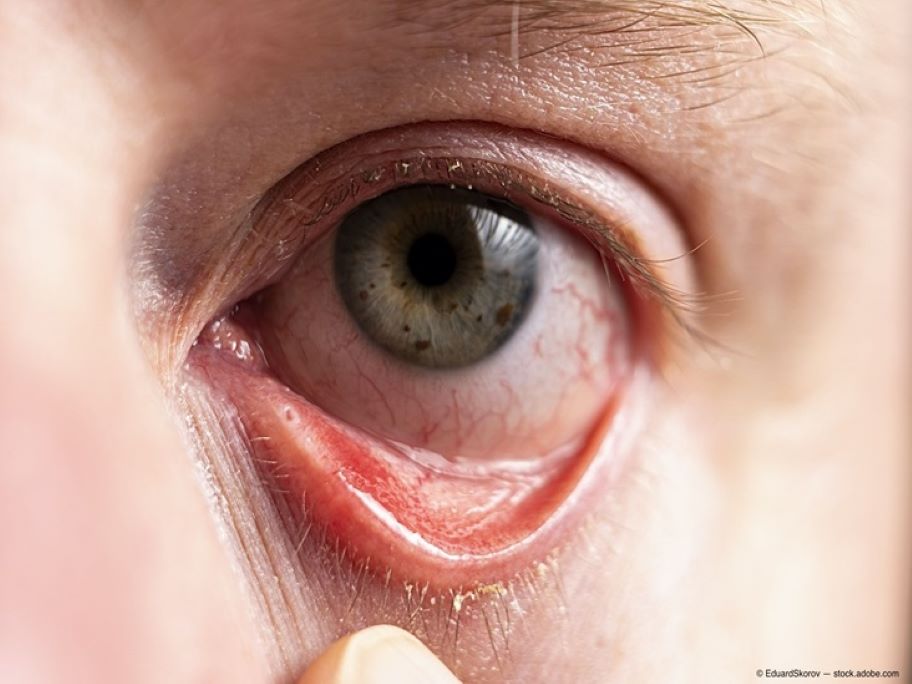
Summers in India are not just about sunshine and mangoes—they can also bring discomfort for your eyes. If you’ve been experiencing itchy, red, or watery eyes, especially during these hot, dry months, you may have Allergic Conjunctivitis.
Many people get it in the hot, dry months, and understanding it can help you find relief.
What is Allergic Conjunctivitis?
Allergic Conjunctivitis is an inflammatory condition of the eye, where the conjunctiva (the clear layer covering the white part of your eye) reacts to allergens like dust, pollen, or pet dander. It’s a type of eye allergy—it is not infectious and does not spread to others, but it can be very irritating.
It often affects both eyes and is most common in people who have seasonal allergies or are sensitive to environmental triggers.
Why is it More Common in Summer?
During summer, several factors contribute to a spike in allergic conjunctivitis cases:
- Pollen from plants, trees, and grass increases
- Dust and pollution levels rise due to dry weather
- Air conditioners and ceiling fans circulate allergens indoors
- Sweating and outdoor exposure irritate the eyes further
- People are more active outdoors, increasing their exposure
All of this makes summer a difficult season for sensitive eyes.
What are the Symptoms?
If you’re experiencing the following, you might be dealing with allergic conjunctivitis:
- Red or bloodshot eyes
- Persistent itching
- Watery discharge or excessive tearing
- Swollen or puffy eyelids
- Burning or gritty sensation
- Increased sensitivity to light
These symptoms often worsen outdoors or in dry, dusty environments.
Common Triggers
- 🌾 Pollens – from flowering trees and plants
- 💨 Dust particles – especially around construction areas
- 🐶 Pet hair or dander
- 🧴 Cosmetics or sprays used near the eyes
- 🚬 Cigarette smoke or strong perfumes
- 🌫️ Pollution – vehicle smoke, industrial emissions
How to Protect Your Eyes This Summer
Here are simple ways to look after your eyes:
- Wear UV-protected sunglasses outdoors
- Avoid touching or rubbing your eyes
- Wash your hands and face regularly
- Use cold compresses to reduce irritation
- Keep your home as free of dust as you can
- Ask a doctor or pharmacist before using any eye drops, and do not use drops while wearing contact lenses
Pro tip: Replace or clean your AC filters regularly!
When to See a Doctor?
If symptoms persist for more than 2–3 days or get worse, see an eye doctor. Get urgent help, at an emergency department or by calling 108 or 112, if you have eye pain, strong sensitivity to light, changes in vision, or a very red eye, as these can be signs of a more serious problem. A newborn baby with red, sticky eyes also needs to be seen urgently.
The eye care (ophthalmology) department at Chetna Multispeciality Hospital, Chinchwad sees adults and children with seasonal eye allergies. Call 91686 90442 to book a check-up.
General health information, not a diagnosis. Reviewed and updated by Chetna Hospital’s content team with the help of AI writing tools, November 2026.