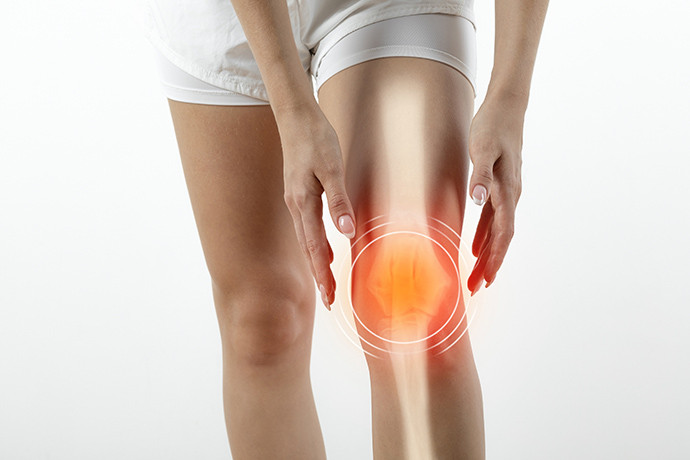
Osteoarthritis (OA) of the knee is one of the most common joint diseases affecting adults, especially after the age of 40. It occurs when the protective cartilage that cushions the ends of bones gradually wears away, leading to pain, stiffness, and reduced mobility. Since the knee joint carries the body’s weight, it is more vulnerable to long-term wear and tear, making osteoarthritis a major cause of disability worldwide.
Understanding knee osteoarthritis, its symptoms, risk factors, and the importance of early management can significantly improve long-term joint health and quality of life.
What Is Knee Osteoarthritis?
Knee osteoarthritis is a degenerative joint condition where the smooth cartilage lining the knee joint becomes thin, damaged, or completely worn away. As cartilage loss progresses, bones begin to rub directly against each other, causing swelling, pain, stiffness, and decreased movement. Over time, the body may form bone spurs (osteophytes), which worsen discomfort and restrict flexibility.
Knee OA is a slow, progressive disorder, meaning symptoms start mild and gradually worsen if not managed properly.
Why Does Knee Osteoarthritis Occur?
1. Age-Related Wear and Tear
Most people develop knee OA due to natural aging. Cartilage becomes weaker, less flexible, and less able to repair itself over time.
2. Previous Knee Injuries
People with a history of ACL tears, meniscal injuries, fractures, or ligament sprains are at a higher risk. Even properly treated injuries can lead to early joint degeneration.
3. Obesity
Excess weight increases stress on the knee joint. Every extra kilogram puts nearly 4 kilograms of additional pressure on the knees during walking. Over time, this accelerates cartilage breakdown.
4. Genetics
Some individuals inherit a predisposition to early cartilage wear or weaker joint structures.
5. Joint Overuse
Jobs or activities that involve squatting, lifting heavy loads, or repetitive knee movements can contribute to cartilage stress.
6. Weak Muscles
Weak quadriceps and poor leg muscle balance reduce knee stability, forcing more pressure onto the joint surfaces.
Common Symptoms of Knee Osteoarthritis
Symptoms vary from person to person, depending on the stage of OA.
The most common signs include:
1. Knee Pain
Pain develops gradually and is often worse during activities such as walking, climbing stairs, or standing for long periods. In advanced stages, pain may persist even at rest.
2. Stiffness
Morning stiffness lasting 10–20 minutes is typical. Stiffness also appears after sitting or inactivity.
3. Swelling
Knee swelling occurs due to inflammation or increased joint fluid production (effusion).
4. Reduced Flexibility
As cartilage wears away, bending or straightening the knee becomes more difficult.
5. Grinding or Cracking Sounds
A sensation of grinding (crepitus) may occur when bones rub against each other.
6. Knee Instability
Some individuals experience a “giving way” sensation due to weakened supporting muscles and ligaments.
7. Deformity
In severe cases, the knee may develop a bow-legged or knock-knee appearance due to uneven cartilage loss.
How Knee Osteoarthritis Affects Daily Life
OA of the knee doesn’t just cause pain—it impacts mobility, independence, and overall quality of life.
Common challenges include:
- Difficulty sitting cross-legged or squatting
- Pain while climbing stairs
- Reduced ability to walk long distances
- Trouble standing from a seated position
- Impact on fitness or routine exercise
- Disturbed sleep due to night-time pain
Ignoring symptoms may lead to faster degeneration, making long-term care more difficult.
How Is Knee Osteoarthritis Diagnosed?
A doctor typically evaluates:
1. Symptoms & Medical History
Pain pattern, duration, and aggravating or relieving factors are important clues.
2. Physical Examination
Includes checking for tenderness, range of motion, swelling, alignment, and stability.
3. X-rays
X-rays reveal the degree of cartilage loss, joint space narrowing, bone spurs, and deformity.
4. MRI (if needed)
Used when soft tissue (ligament or meniscus) damage is suspected.
Early diagnosis helps prevent rapid progression and protects joint health.
Managing Osteoarthritis: What Helps?
While osteoarthritis cannot be reversed, proper care can significantly relieve pain, improve mobility, and delay progression.
1. Weight Management
Reducing even 5–10% of body weight can significantly decrease knee stress and pain.
2. Strengthening Exercises
Building quadriceps, hamstrings, hip muscles, and core stability improves knee support.
3. Low-Impact Activities
Walking, cycling, swimming, and yoga help maintain mobility without overloading the joint.
4. Lifestyle Modifications
Avoid deep squats, prolonged standing, kneeling, or carrying heavy loads.
5. Hot and Cold Therapy
Cold packs reduce swelling, while heat improves stiffness and blood flow.
6. Knee Support
Braces or orthotic supports help reduce pressure and improve alignment.
7. Joint Protection Techniques
Using supportive footwear and correcting posture reduces unnecessary knee stress.
Timely medical guidance is crucial to choose the right plan and prevent worsening of the condition.
Can Osteoarthritis Be Prevented?
While aging cannot be stopped, you can reduce the risk of premature joint wear:
- Maintain healthy body weight
- Strengthen leg muscles regularly
- Avoid injuries during sports
- Use correct techniques while lifting
- Stay active and avoid a sedentary lifestyle
- Choose supportive footwear
Preventive care in your 30s and 40s significantly reduces OA risk later in life.
When Should You See a Doctor?
Consult a specialist if you experience:
- Persistent knee pain lasting more than 2–3 weeks
- Difficulty walking or climbing stairs
- Swelling that keeps returning
- Knee stiffness that limits daily activities
- Grinding or locking of the knee
- A feeling that the knee may “give way”
Early evaluation ensures better outcomes and improved quality of life.