
Introduction: Sleep and vision
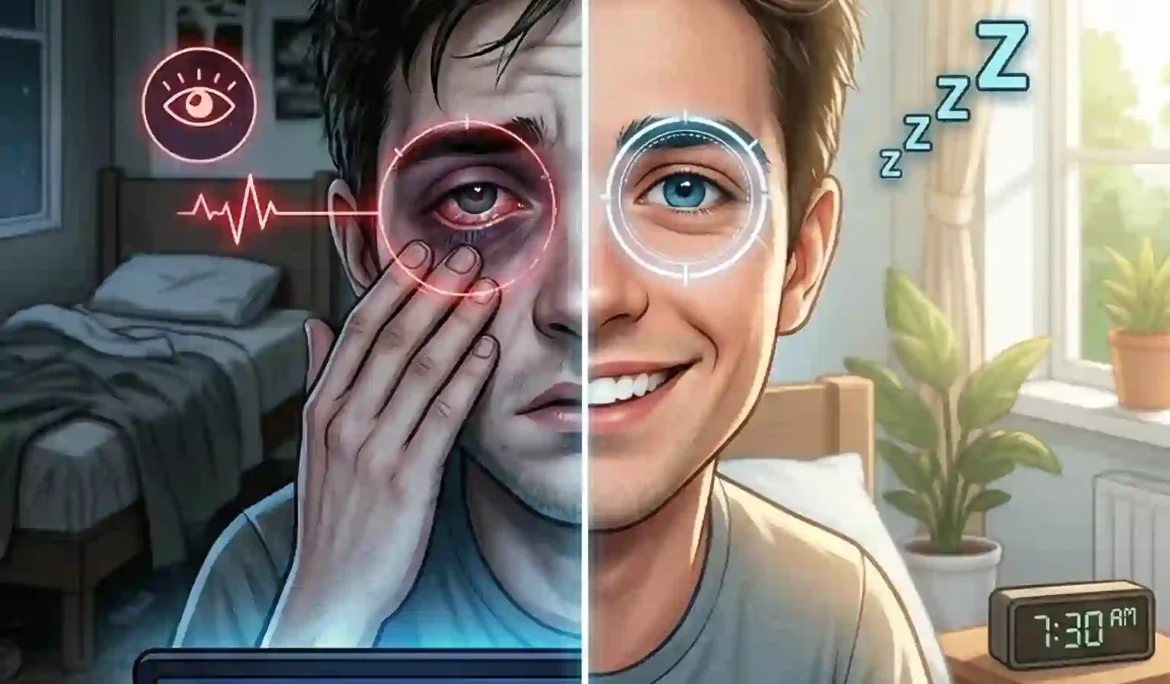
Ever notice your vision going blurry after a late night? Maybe your eyes feel heavy, dry, or just… off. You rub them, blink repeatedly, but things still don’t feel right. That’s not just tiredness—it’s your eyes literally struggling due to lack of sleep. The connection between sleep and vision is deeper than most people realize, and in today’s screen-heavy world, it’s becoming a growing concern.
Sleep is when your body repairs itself, and your eyes are no exception. Just like your muscles recover after a workout, your eyes need downtime to reset and restore. But with late-night scrolling, binge-watching, and stress keeping us awake, we’re depriving our eyes of this essential recovery period.
This topic matters more than ever because modern lifestyles are pushing our visual systems to their limits. Whether you’re working on a laptop, glued to your phone, or staying up late, your eyes are constantly under strain. Understanding how sleep affects your vision can help you prevent long-term damage and maintain clear, comfortable eyesight.
Medically Reviewed By:
Dr. Rachana Tiwari-Patil
Consultant Ophthalmologist & Phaco-Refractive Surgeon
Chetna Hospital, Sambhaji Nagar, Chinchwad
This article has been reviewed by a qualified eye specialist to ensure medical accuracy and reliability. Dr. Rachana Tiwari-Patil has extensive experience in diagnosing and treating vision-related conditions, including dry eyes, refractive errors, and digital eye strain.
🔗 Learn more: https://chetnahospital.co.in/doctor/dr-rachana-tiwari/
📞 Contact: 9168690448 / 9158681123
Whether you are a professional working in the IT hubs of Hinjewadi and Wakad, or a resident of Akurdi, Nigdi, or Ravet, digital eye strain is a common issue. Chetna Hospital, located in the heart of Chinchwad (Sambhaji Nagar), provides specialized care for patients within a 5km radius seeking relief from sleep-related vision problems
👁️ What is the Connection Between Sleep and Vision?
How does sleep help in eye muscle recovery and tear production?
During sleep, your eyes undergo critical repair processes. Think of it like a nightly maintenance cycle where damaged cells are repaired and refreshed. The surface of your eyes, especially the cornea, gets time to heal from daily exposure to dust, light, and digital screens.
Brain and Eye Coordination During Sleep
Vision isn’t just about your eyes—it’s also about how your brain processes what you see. During deep sleep stages, your brain organizes and processes visual information gathered throughout the day. Without enough sleep, this system becomes sluggish, leading to slower visual response times.
Tear Film and Cornea Repair Process
Your tear film plays a vital role in keeping your eyes lubricated and clear. Sleep helps restore this layer, preventing dry eyes and irritation. Without proper rest, tear production drops, making your eyes feel gritty and uncomfortable.
Eye Muscle Relaxation
Your eye muscles are constantly working to focus, adjust, and track movement. Sleep allows these muscles to relax completely. Without this rest, they become fatigued, making it harder to focus clearly the next day.
Why does lack of sleep cause blurry vision and eye strain?
Reduced Tear Production
Sleep deprivation directly reduces tear secretion. This leads to dry eyes, one of the most common complaints among people who don’t get enough rest. Dry eyes can cause burning, redness, and blurry vision.
Eye Muscle Fatigue,
Imagine holding a weight all day without rest—that’s what your eye muscles go through without sleep. Overworked muscles struggle to maintain focus, leading to eye strain and visual instability.
Slower Brain Visual Processing
Your brain processes visual signals more slowly when you’re sleep-deprived. This means delayed reaction times, reduced clarity, and difficulty interpreting what you see.
Eye Surface Inflammation
Lack of sleep can trigger inflammation on the eye’s surface, making your eyes more sensitive and prone to irritation. This can worsen existing conditions like dry eye syndrome.
Increased Screen Strain Impact
When you combine sleep deprivation with excessive screen time, the damage multiplies. Blue light exposure disrupts sleep cycles, creating a vicious loop of poor sleep and worsening vision.
👀 Symptoms (How Do I Know I Have It?)
If your eyes could talk, they’d probably complain loudly after a sleepless night. The symptoms are hard to ignore once you know what to look for. One of the most common signs is temporary blurry vision, which usually improves after rest. But it doesn’t stop there.
You might experience dry, itchy, or burning eyes that feel uncomfortable throughout the day. Many people report a sensation of heaviness, as if their eyelids are weighed down. Eye twitching—though harmless—is another classic sign of fatigue. Headaches around the eyes and increased sensitivity to light can also occur.
Focusing on screens or reading text may suddenly feel difficult, even if your vision is normally perfect. These symptoms often come together, creating a frustrating experience that affects productivity and comfort.
What Happens Inside Eyes When You Don’t Sleep?
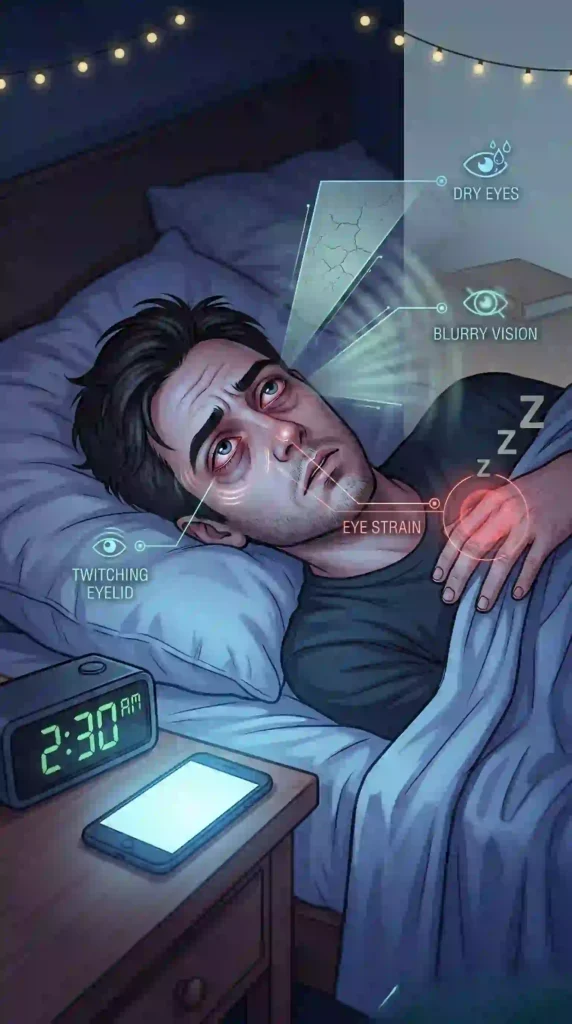
When you skip sleep, your eyes don’t just “feel tired”—they actually undergo physical changes. The tear film starts breaking down, leaving your eyes exposed and vulnerable. The corneal surface becomes stressed, increasing the risk of irritation and infection.
Oxygen supply to your eyes may decrease slightly, especially if you’re staying awake for extended periods. This can affect how efficiently your eyes function. Meanwhile, visual signals sent to the brain are processed more slowly, making everything seem just a bit off.
Your eye muscles continue working without adequate rest, leading to overuse. Over time, this can contribute to chronic sleep deprivation and eye strain, which becomes harder to reverse.
Is It Temporary or Permanent?
The good news? Most vision problems caused by lack of sleep are temporary. Once you get proper rest, your eyes usually recover quickly. Blurry vision clears up, dryness improves, and your eyes feel normal again.
However, chronic sleep deprivation is a different story. Long-term lack of sleep can contribute to ongoing eye issues, including persistent dryness, increased strain, and even worsening of underlying conditions. In some cases, it may signal deeper health problems that need medical attention.
How Is It Diagnosed?
Eye doctors typically start with a detailed history of your symptoms and sleep habits. They may perform tests like tear production assessments and eye pressure measurements. Your screen time and daily routines are also evaluated to identify contributing factors.
According to Dr. Rachana Tiwari-Patil, Consultant Ophthalmologist at Chetna Hospital, Chinchwad, “Many patients overlook sleep as a factor in eye health. Addressing sleep patterns often significantly improves symptoms like dryness and strain.”
You can learn more about her expertise here:
👉 https://chetnahospital.co.in/doctor/dr-rachana-tiwari/
What Can I Do? (Treatment / Relief)
Relief often starts with simple changes. Using artificial tears can help restore moisture and reduce irritation. Applying a cold compress soothes tired eyes and reduces inflammation.
Follow the 20-20-20 rule: every 20 minutes, look at something 20 feet away for 20 seconds. This gives your eyes a mini break during screen use.
Reducing screen exposure, especially before bedtime, is crucial. Most importantly, improving your sleep routine—going to bed at the same time and ensuring quality sleep—can make a huge difference.
How to Prevent It?
Prevention is always easier than treatment. Aim for 7–9 hours of quality sleep every night. Stick to a consistent sleep schedule, even on weekends.
Avoid screens at least an hour before bedtime to reduce blue light exposure. Stay hydrated and maintain a balanced diet rich in eye-friendly nutrients like vitamin A and omega-3 fatty acids.
Managing stress through relaxation techniques can also improve sleep quality and, in turn, protect your vision.
Digital Lifestyle Impact
Modern life revolves around screens, and that’s where the problem begins. Blue light emitted from devices suppresses melatonin, the hormone responsible for sleep. This makes it harder to fall asleep, creating a cycle of poor sleep and worsening eye health.
Late-night scrolling not only delays sleep but also increases eye strain. Over time, this combination can significantly impact your sleep and vision relationship, leading to chronic discomfort.
Risk Factors
| Risk Factor | Impact on Vision |
|---|---|
| Excess screen time | Increased eye strain and dryness |
| Stress/anxiety | Disrupted sleep cycles |
| Insomnia | Chronic eye fatigue |
| Poor sleep habits | Long-term visual discomfort |
| Contact lens overuse | Increased dryness and irritation |
FAQ
Yes, sleep directly impacts your vision. Poor sleep can cause blurry vision, dry eyes, eye strain, and twitching. During sleep, your eyes repair and restore moisture, so lack of rest disrupts this process and reduces visual clarity.
Sleep won’t correct vision problems like myopia or hyperopia, but it helps reduce dryness, fatigue, and temporary blurriness caused by screen strain, improving overall eye comfort.
The 20-20-20 Rule helps reduce eye strain:
Every 20 minutes
Look 20 feet away
For 20 seconds
It relaxes eye muscles and is especially useful for screen users.
A simple routine for better sleep:
10 hours before bed: No caffeine
5 hours: No heavy meals/alcohol
3 hours: No work
2 hours: No screens
1 hour: Relax
This improves sleep quality and supports eye health.
For eyesight: Carrots, spinach, sweet potatoes, almonds, fish
For sleep: Bananas, milk, walnuts, oats
About the Medical Expert
This content is created for educational purposes and is supported by insights from Dr. Rachana Tiwari-Patil, a trusted Consultant Ophthalmologist and Phaco-Refractive Surgeon at Chetna Hospital, Chinchwad.
While every effort has been made to ensure accuracy, this article should not replace professional medical advice, diagnosis, or treatment. If you experience persistent vision issues, consult a qualified eye specialist.
📍 Chetna Hospital, Sambhaji Nagar, Chinchwad
📞 9168690448 / 9158681123
🔗 https://chetnahospital.co.in/doctor/dr-rachana-tiwari/
👨⚕️ Medical Disclaimer / Trust Section
This article is for informational purposes only and should not replace professional medical advice. If you experience persistent vision problems, consult an eye specialist. Early diagnosis and treatment can prevent complications and protect your eyesight.
🎯 Conclusion
Your eyes aren’t designed to run nonstop. They need rest, just like the rest of your body. Ignoring sleep doesn’t just make you tired—it directly affects how well you see and how comfortable your eyes feel.
The takeaway is simple: better sleep equals better vision. Small changes in your routine can make a big difference. So tonight, instead of scrolling endlessly, give your eyes the break they deserve.
visit now
Need an Eye Check-up in Chinchwad?
If you are experiencing persistent blurry eyes or strain, consult
Dr. Rachana Tiwari-Patil at Chetna Hospital.
📍 Location: Sambhaji Nagar, Chinchwad, Pune (Near Akurdi Railway Station).
📞 Book Appointment: Click to Call: 9168690448