Introduction: Could Your Jaw Pain Need TMJ Disorder Treatment?
Many people assume jaw stiffness or facial discomfort is simply a result of stress. However, persistent symptoms such as morning jaw tightness, ear-like pain, or difficulty chewing may signal a deeper problem. In fact, these signs often indicate a condition affecting the temporomandibular joint.
Therefore, recognizing these early symptoms is important. When the joint becomes inflamed or misaligned, daily activities such as speaking, eating, and even yawning may become uncomfortable.
Fortunately, patients can receive effective TMJ Disorder Treatment in Pimpri-Chinchwad at NextGen Dental and Cosmetic Clinic within Chetna Hospital. With proper care and diagnosis, most patients can restore normal jaw function and significantly reduce pain.
What Is TMJ Disorder? Understanding the Need for TMJ Disorder Treatment
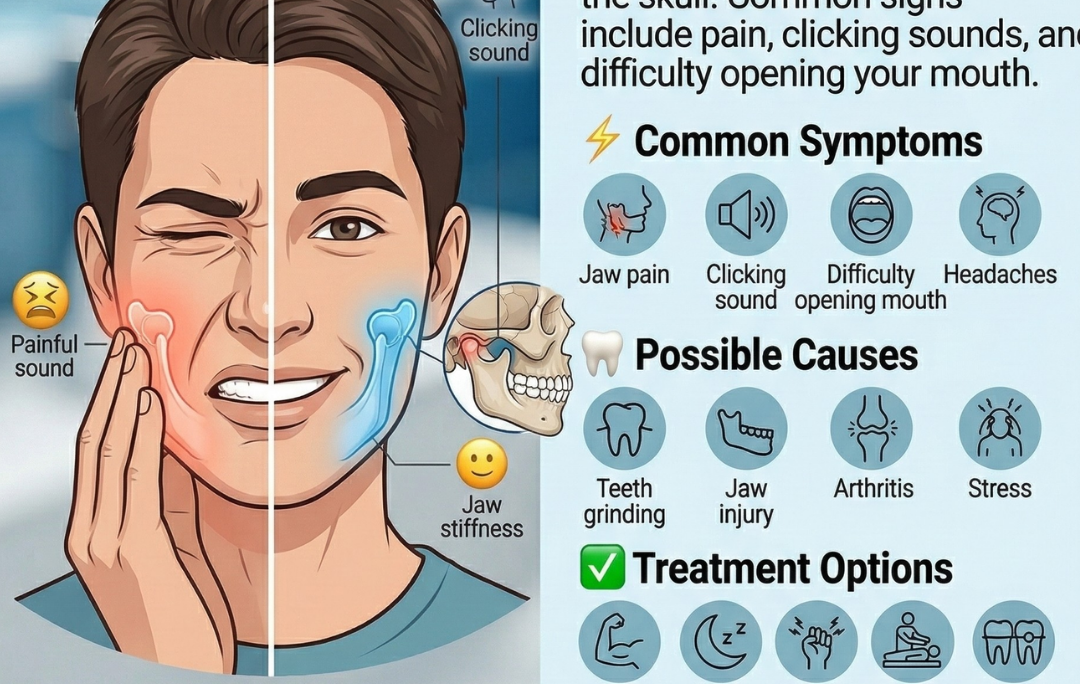
The temporomandibular joint (TMJ) acts as a sliding hinge connecting your jawbone to the skull. As a result, it allows complex movements, including opening, closing, and side-to-side motion of the jaw.
Normally, this joint works smoothly without discomfort. However, when the joint becomes strained, inflamed, or misaligned, symptoms can begin to appear.
Consequently, many individuals may require restoration of healthy joint function.
Without proper care, TMJ problems may lead to:
- Persistent jaw pain
- Difficulty opening the mouth fully
- Muscle fatigue around the face
- Recurring headaches
Therefore, early treatment is essential to prevent the condition from worsening.
Common Red Flags That May Require TMJ Disorder Treatment
One of the earliest warning signs of TMJ disorder is a clicking or popping sound when opening or closing the mouth. Occasionally, this sound may be harmless. However, if the sound appears frequently or is accompanied by pain, it could indicate joint dysfunction.
For example, patients often notice discomfort when chewing or speaking.
Common symptoms include:
- Clicking, popping, or grinding sounds in the jaw
- Pain near the ear or jawline
- Limited ability to open the mouth
- Jaw locking episodes
- Facial muscle tenderness
Additionally, some individuals experience migraines, ear ringing, or neck pain. Therefore, seeking TMJ Disorder Treatment early can help prevent long-term joint damage.
Primary Causes of TMJ Disorders and the Need for TMJ Disorder Treatment
TMJ disorders rarely develop from a single cause. Instead, they often result from several contributing factors.
Teeth Grinding (Bruxism)
Many people grind their teeth during sleep. As a result, excessive pressure builds within the jaw joint, which can eventually lead to inflammation.
Arthritis in the Jaw Joint
Inflammatory conditions can damage the cartilage of the TMJ. Consequently, joint movement may become painful or restricted.
Jaw Injury or Trauma
Accidents or sports injuries can disturb the natural alignment of the jaw. Therefore, professional TMJ Disorder Treatment may become necessary.
Bite Misalignment
If teeth do not align correctly, the jaw may move unnaturally while chewing. Over time, this strain can trigger TMJ symptoms.
Stress and Muscle Tension
Stress often causes unconscious jaw clenching. Similarly, prolonged muscle tension can aggravate the temporomandibular joint.
When to Visit Chetna Hospital for TMJ Disorder Treatment
Many people delay treatment, hoping the discomfort will disappear. However, untreated TMJ disorders often worsen with time.
Therefore, you should seek TMJ Disorder Treatment at Chetna Hospital if you experience:
- Persistent jaw pain
- Difficulty chewing food
- Jaw locking or stiffness
- Headaches related to jaw tension
- Limited jaw movement
In addition, early diagnosis can significantly improve treatment outcomes. As a result, patients often recover faster and avoid complications.
Accurate Diagnosis Before TMJ Disorder Treatment at Our Sambhajinagar Clinic
Before beginning TMJ Disorder Treatment, our specialists perform a thorough evaluation. This step is essential because identifying the root cause leads to more effective treatment.
During your consultation at NextGen Dental and Cosmetic Clinic, the process may include:
- Review of medical and dental history
- Examination of jaw movement
- Bite alignment analysis
- Imaging tests when necessary
- Assessment of muscle tenderness and pain levels
Consequently, this comprehensive approach allows us to create a personalized treatment plan tailored to each patient.
TMJ Disorder Treatment Options: From Home Care to Clinical Solutions
TMJ disorders vary widely among patients. Therefore, treatment approaches also differ depending on the severity of the condition.
Conservative TMJ Treatment Methods
In many cases, non-surgical approaches provide effective relief. For example, patients may benefit from:
- Jaw relaxation exercises
- Soft-food diets during flare-ups
- Heat or cold therapy
- Stress management techniques
- Posture correction
Additionally, these simple lifestyle changes can significantly reduce joint stress.
Professional TMJ Disorder Treatment
When symptoms persist, clinical treatments may be recommended. These may include:
- Custom night guards for teeth grinding
- Bite adjustment therapy
- Physiotherapy for jaw muscles
- Medication for pain or inflammation
- Injection therapy for severe discomfort
In rare cases, advanced dental or surgical interventions may be necessary. However, most patients improve with conservative treatment.
Trusted TMJ Disorder Treatment in Pimpri-Chinchwad
Access to nearby healthcare plays an important role in early treatment. Therefore, patients across the region trust Chetna Hospital for reliable TMJ care.
NextGen Dental and Cosmetic Clinic
Room No. 4, First Floor, Chetna Hospital
Nigdi Bhosari Rd, near HP petrol pump
Sambhajinagar, Chinchwad
Pimpri-Chinchwad, Maharashtra 411019
📞 Phone: 9168692087
Visit Our Clinic in Chinchwad: Located at Sahakari Bank, Sambhaji Nagar Road (near Thermax Chowk), Chetna Hospital is easily accessible for residents of Nigdi, Akurdi, Pradhikaran, and Chikhali. If you are coming from Wakad or Bhosari, we are just a 15-minute drive via the Old Pune-Mumbai Highway.
Frequently Asked Questions About TMJ Disorder Treatment
While stress causes clenching, TMJ disorder often involves physical signs like clicking sounds, the jaw “locking” in place, or pain that radiates to the ear and neck. If the pain is persistent, a professional evaluation is necessary.
Yes! The vast majority of cases at Chetna Hospital are managed with conservative treatments, including custom night guards, physiotherapy, lifestyle adjustments, and medication. Surgery is only considered for severe, structural joint issues.
If your TMJ is caused by bruxism (teeth grinding), a custom-fitted night guard can significantly reduce the pressure on your joint, allowing the inflammation to go down and the muscles to relax.
Many patients feel relief from muscle tension within a few weeks of starting conservative therapy. However, long-term joint stabilisation usually takes a few months of consistent care.
Rapid Fire” FAQ Table
| Question | The Short Answer |
| Can I eat normally during treatment? | We recommend a soft-food diet during flare-ups to rest the joint. |
| Does insurance cover TMJ? | Many clinical treatments are covered; check with our desk for your specific plan. |
| Is TMJ permanent? | With early intervention and habit correction, most symptoms can be fully managed. |
| Do I need an X-ray? | We may use OPG or specialized imaging to see the joint alignment clearly. |
Get Expert TMJ Disorder Treatment at Chetna Hospital
Jaw pain may seem minor at first. However, if ignored, it can disrupt everyday activities such as eating and speaking.
Fortunately, specialized TMJ Disorder Treatment at Chetna Hospital can restore comfort and improve jaw mobility.
Therefore, if you experience jaw clicking, stiffness, or persistent facial pain, it is best to seek professional care.
Ready for a Pain-Free Jaw? Don’t let TMJ pain affect your quality of life. Schedule a consultation at Chetna Hospital, the leading multispeciality center in PCMC.
Button: Book Appointment at Chinchwad Clinic
Ultimately, early treatment is the key to regaining pain-free jaw movement and long-term relief.
Our Reach in PCMC: Chetna Hospital is the preferred choice for TMJ relief for residents within a 5 km radius, including Nigdi, Akurdi, Sambhaji Nagar, and Chikhali. We also serve patients from the wider 15 km radius of Wakad, Ravet, Bhosari, and Pimple Saudagar due to our proximity to the Pune-Mumbai Highway.