Table of Contents
- Understanding Diabetic Retinopathy: What’s Happening in Your Eyes? Explained by an Eye Specialist
- The crucial role of regular eye examinations with an eye specialist
- Early Intervention Strategies That Work Led by an Eye Specialist
- When Prevention Isn’t Enough Advanced treatment by an Eye Specialist can protect vision
- Special considerations for families
- The importance of choosing the right eye care team
- Lifestyle factors that protect your vision
- Taking action: Your next steps
Living with diabetes for over five years means you’ve likely become familiar with managing blood sugar levels, watching your diet, and keeping up with regular check-ups. But there’s one aspect of diabetic care that often gets overlooked until it’s too late – your eyesight. If you’ve been wondering whether those occasional blurry vision episodes are just from fatigue or something more serious, it’s time we had an honest conversation about diabetic retinopathy and how working with an eye specialist can save your vision.
Every year, thousands of people with long-term diabetes face the frightening reality of vision loss due to diabetic retinopathy. The good news? This condition is largely preventable with the right knowledge, early detection, and proper care. Let’s explore what you need to know to protect your sight and maintain your independence for years to come.
Understanding Diabetic Retinopathy: What’s Happening in Your Eyes? Explained by an Eye Specialist
Diabetic retinopathy occurs when high blood sugar levels damage the tiny blood vessels in your retina – the light-sensitive tissue at the back of your eye. Think of your retina as the film in a camera; when it’s damaged, the pictures become distorted or completely dark.
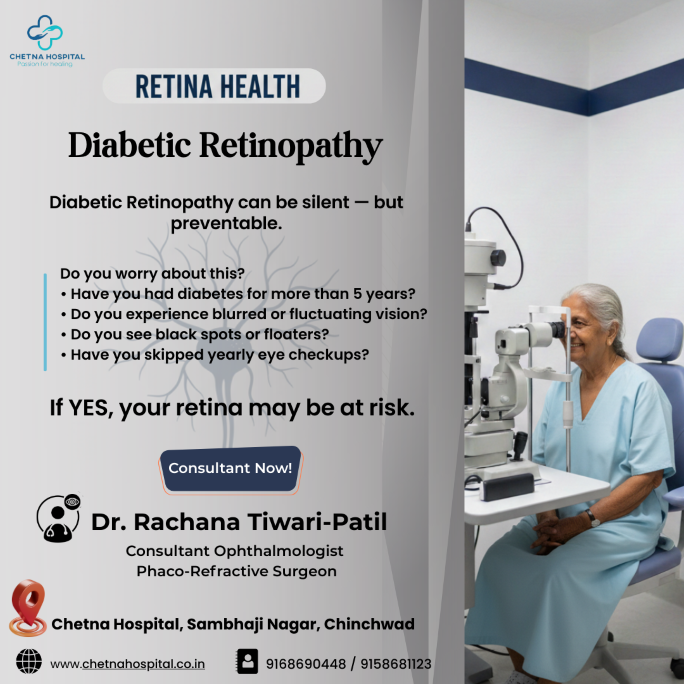
After having diabetes for five or more years, your risk of developing this condition increases significantly. The longer you’ve had diabetes, and the less controlled your blood sugar has been, the higher your chances become. But here’s what many people don’t realize: diabetic retinopathy often develops silently, showing no symptoms in its early stages.
The Silent Progression Guided by an Eye Specialist
In the beginning stages, you might not notice any changes in your vision at all. The damage starts small – tiny blood vessels begin to leak or become blocked. As the condition progresses, you might experience:
- Blurred or fluctuating vision
- Dark spots or floaters in your field of vision
- Difficulty seeing at night
- Colors appear faded or washed out
- Sudden vision loss in severe cases
By the time these symptoms appear, significant damage may have already occurred. This is why an eye specialist emphasizes the importance of regular screenings, even when your vision seems perfectly fine.
The crucial role of regular eye examinations with an eye specialist
Many people with diabetes assume that if they can see clearly, their eyes are healthy. This dangerous misconception has led to countless cases of preventable vision loss. An eye specialist can detect diabetic retinopathy years before you notice any symptoms.
Dr. Rachana Tiwari-Patil, Consultant Ophthalmologist and Phaco-Refractive Surgeon at Chetna Hospital, Sambhaji Nagar, Chinchwad, emphasizes that regular diabetic eye screenings are not optional but essential for anyone who has had diabetes for more than five years. “Early detection is the key to preserving vision,” she explains. “Many patients come to us only when they start experiencing vision problems, but by then, we’re often managing damage rather than preventing it.”
What Happens During a Comprehensive Eye Exam? An Eye Specialist Explains
When you visit an eye specialist for diabetic retinopathy screening, the examination goes far beyond reading letters on a chart. The process typically includes:
Dilated eye examination: Your eye specialist will use special drops to widen your pupils, allowing them to examine your retina thoroughly. This might cause temporary light sensitivity and blurred vision, but it’s the gold standard for detecting diabetic retinopathy.
Optical coherence tomography (OCT): This painless test creates detailed cross-sectional images of your retina, helping your eye specialist identify swelling or fluid accumulation that might not be visible during a regular examination.
Fluorescein angiography: In some cases, your eye specialist might inject a safe dye into your arm and take photographs as it travels through your eye’s blood vessels. This reveals any leaking or blocked vessels with remarkable precision.
How often should you get screened?
The frequency of your eye examinations depends on several factors, but as someone who has had diabetes for more than five years, annual screenings are typically the minimum recommendation. However, your eye specialist might suggest more frequent visits if:
- Your blood sugar control has been poor
- You have high blood pressure
- You’re pregnant (diabetes can accelerate during pregnancy)
- Early signs of diabetic retinopathy are already present
Early Intervention Strategies That Work Led by an Eye Specialist
The most effective treatment for diabetic retinopathy is prevention. While it might sound simple, the reality is that preventing this condition requires a multifaceted approach that goes beyond just managing your blood sugar.
Blood Sugar Control: Your first line of defense against diabetic eye disease
Maintaining stable blood glucose levels is absolutely critical. Studies have shown that people who keep their HbA1c levels below 7% significantly reduce their risk of developing diabetic retinopathy or slow its progression if it’s already begun.
This doesn’t mean you need to achieve perfect numbers every single day – that’s unrealistic and can lead to dangerous low blood sugar episodes. Instead, focus on consistency and work with your healthcare team to find a management plan that works for your lifestyle.
Blood pressure control matters more than you think
High blood pressure accelerates the damage that diabetes causes to your eye’s blood vessels. Even if your blood sugar is well-controlled, unmanaged hypertension can fast-track you toward vision problems. Your eye specialist will often ask about your blood pressure readings because they understand this critical connection.
The surprising impact of cholesterol
Research has shown that people with diabetes who also have high cholesterol face an increased risk of diabetic retinopathy. Managing your cholesterol through diet, exercise, or medication when necessary provides an additional layer of protection for your vision.
When Prevention Isn’t Enough Advanced treatment by an Eye Specialist can protect vision
Despite your best efforts, diabetic retinopathy can still develop. The good news is that modern treatments are more effective than ever, especially when the condition is caught early through regular screenings with an eye specialist.
Laser therapy: Proven and effective
Laser photocoagulation has been the gold standard treatment for diabetic retinopathy for decades. During this procedure, your eye specialist uses focused laser beams to seal leaking blood vessels or reduce abnormal vessel growth. While it might sound intimidating, the procedure is typically performed in the office, and most people experience minimal discomfort.
Dr. Tiwari-Patil notes that advances in laser technology have made these treatments more precise and comfortable for patients. “Modern laser systems allow us to target specific areas with remarkable accuracy while minimizing damage to healthy tissue,” she explains. This precision has led to better outcomes and faster recovery times for patients undergoing laser treatment.
Injectable medications: The new frontier
Anti-VEGF injections represent a significant advancement in diabetic retinopathy treatment. These medications, injected directly into the eye, can reduce swelling and prevent the growth of abnormal blood vessels. Many patients see improvement in their vision after these treatments, something that wasn’t always possible with older therapies.
Surgical interventions for advanced cases
In severe cases where bleeding has occurred in the eye, a procedure called vitrectomy might be necessary. While this is more invasive than other treatments, it can often restore vision that seemed permanently lost.
Special considerations for families
If you have children or grandchildren, it’s worth noting that while diabetic retinopathy primarily affects adults with long-term diabetes, young people with diabetes aren’t immune. A pediatric ophthalmologist specializes in eye care for children and adolescents, including those with diabetes.
Children with Type 1 diabetes typically don’t need retinopathy screening until they’ve had diabetes for five years or reach puberty, whichever comes first. However, if your child was diagnosed with diabetes at a very young age, working with a pediatric ophthalmologist ensures they receive age-appropriate care and education about protecting their vision throughout their lives.
The importance of choosing the right eye care team
When selecting an eye specialist for your diabetic eye care, it’s important to find someone who not only has expertise in diabetic retinopathy but also understands the broader challenges of living with diabetes. Look for an ophthalmologist who works collaboratively with your endocrinologist or primary care physician to ensure comprehensive care.
“The management of diabetic retinopathy isn’t just about treating the eyes – it’s about understanding the whole person and their diabetes journey,” says Dr. Tiwari-Patil. “We work closely with our patients’ other healthcare providers to ensure the best possible outcomes.”
Lifestyle factors that protect your vision
Beyond medical treatments, several lifestyle choices can significantly impact your risk of developing diabetic retinopathy or slow its progression:
Regular exercise and its eye benefits
Physical activity improves blood circulation throughout your body, including the tiny vessels in your eyes. Even moderate exercise like walking for 30 minutes a day can make a meaningful difference in your overall diabetes management and eye health.
Nutrition for eye health
While a diabetic-friendly diet is your foundation, certain nutrients specifically support eye health. Foods rich in omega-3 fatty acids, antioxidants like vitamins C and E, and lutein can provide additional protection for your retinal blood vessels.
The smoking connection
If you smoke, quitting is one of the best things you can do for your eyes. Smoking accelerates blood vessel damage and significantly increases your risk of diabetic complications, including retinopathy.
Taking action: Your next steps
If you’ve been putting off that eye exam, now is the time to schedule an appointment with an eye specialist. Remember, diabetic retinopathy screening isn’t just about checking a box on your healthcare to-do list – it’s about preserving your independence, your ability to drive, read, work, and enjoy life’s visual pleasures.
For those in the Pune area, Dr. Rachana Tiwari-Patil at Chetna Hospital, Sambhaji Nagar, Chinchwad, offers comprehensive diabetic eye care with the latest diagnostic and treatment technologies. Her expertise as both a consultant ophthalmologist and phaco-refractive surgeon means she can address not only diabetic retinopathy but also other vision concerns that may develop alongside your diabetes.
Start by asking your primary care doctor for a referral to an eye specialist who has experience with diabetic patients. Many insurance plans cover annual diabetic eye exams, so don’t let cost concerns prevent you from getting the care you need.
Between appointments, pay attention to any changes in your vision and don’t hesitate to call your eye specialist if you notice new symptoms. Sudden vision changes should never be ignored, especially when you have diabetes.
Your vision is irreplaceable, but diabetic retinopathy is largely preventable. By working closely with an eye specialist and maintaining good overall diabetes management, you’re taking the most important steps possible to protect your sight for years to come. The time to act is now – your future self will thank you for the investment in your eye health today. alth today.