Medical Content Reviewed by: Dr. Rachana Tiwari Patil, MS Ophthalmology|
Quick Summary for Patients:
Condition: Digital Eye Strain/Blue Light Damage
Symptoms: Dryness, blurred vision, and “heavy” eyes.
Expert: Dr. Rachana Tiwari Patil at Chetna Hospital.
Location: Sambhaji Nagar, Chinchwad (Serving 5km radius: Akurdi, Ravet, Nigdi, & Thergaon)
Why IT Professionals in Chinchwad & PCMC are Facing Eye Aging
In today’s hyperconnected environment, screens dominate nearly every waking hour. From early-morning phone scrolling to late-night laptop deadlines, our eyes remain continuously immersed in artificial radiance. Consequently, blue light eye strain symptoms have escalated dramatically. More importantly, this steady exposure accelerates ocular aging in ways most individuals neither anticipate nor detect.
Smartphones, tablets, LED lighting, gaming consoles, and high-resolution monitors all emit high-energy visible (HEV) blue light. While moderate blue light from sunlight regulates alertness and circadian rhythm, excessive artificial exposure overwhelms the visual system. Therefore, what begins as mild fatigue gradually transforms into chronic strain—and, eventually, structural damage.
Warning Signs of Blue Light Eye Strain You Shouldn’t Ignore
Blue light eye strain, frequently referred to as digital eye strain or computer vision syndrome, develops when the eyes sustain prolonged focus on digital displays. Unlike ink on paper, digital screens generate pixelated patterns that require constant micro-adjustment.
As a result, the eye muscles exert persistent effort. Simultaneously, blinking decreases. Moreover, most individuals position devices closer than recommended, which intensifies accommodative stress. Over time, this trifecta—continuous focusing, reduced blinking, and short viewing distance—creates measurable fatigue.
In fact, symptoms can emerge within just a few hours of uninterrupted screen exposure.
Why Blue Light Is Biologically Distinct
Not all light interacts with ocular tissue equally. Blue light possesses a shorter wavelength and higher photon energy. Therefore, it penetrates deeper into the eye, ultimately reaching the retina.
Although natural ocular structures filter ultraviolet radiation efficiently, they provide limited defense against HEV blue light. Consequently, retinal cells absorb greater photic stress. Over months and years, this cumulative exposure contributes to oxidative burden and cellular wear.
In other words, the eye absorbs more than it can comfortably neutralize.
Symptoms of Blue Light Eye Strain: What to Watch For
Symptoms rarely appear in isolation. Instead, they unfold progressively across physical, neurological, and sleep-related domains.
Whether you are a student in Akurdi, a software professional in Wakad, or a resident of Nigdi and Ravet, eye strain from digital devices is a growing concern. At Chetna Hospital, located conveniently in Sambhaji Nagar, Chinchwad, Dr. Rachana Tiwari Patil provides specialized screenings for patients within the Pimpri-Chinchwad area to prevent long-term retinal aging
1. Physical Eye Symptoms
Initially, discomfort feels subtle. However, as exposure continues, signs intensify.
- Dry, scratchy sensation – As blinking declines, tear evaporation increases.
- Watery eyes – Paradoxically, reflex tearing occurs to compensate for dryness.
- Redness or inflammation – Blood vessels dilate under strain.
- Eyelid twitching – Minor neuromuscular spasms surface after prolonged effort.
- Intermittent blurred vision – Particularly noticeable after screen sessions.
- Difficulty shifting focus – Near-to-distance transitions become sluggish.
Furthermore, many individuals notice that symptoms worsen toward evening.
2. Head, Neck, and Postural Symptoms
Because digital strain extends beyond the eyeball itself, secondary effects often follow.
- Frontal headaches, especially behind the eyes
- Neck stiffness due to forward head posture
- Shoulder tension from prolonged sitting
- Heightened glare sensitivity in bright rooms
- A persistent sensation of “heavy” eyes
Consequently, productivity declines while discomfort escalates.
3. Sleep and Cognitive Disturbances
Perhaps more insidious are the circadian effects.
- Difficulty initiating sleep
- Fragmented or shallow rest
- Daytime lethargy despite adequate sleep hours
- Reduced concentration capacity
- Mood fluctuations or irritability
This occurs because blue light suppresses melatonin production. Therefore, the body delays restorative sleep cycles, limiting cellular repair.
Is Screen Time Aging Your Eyes? The Science of HEV Blue Light
Although symptoms feel temporary, underlying changes may persist.
Retinal Cellular Stress
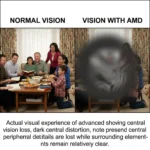
Blue light exposure stimulates photochemical reactions within retinal tissue. Over time, this may damage photoreceptors. Consequently, the risk of early-onset macular degeneration increases, especially with cumulative exposure.
Importantly, such changes begin microscopically—long before vision loss becomes obvious.
Oxidative Damage
Additionally, HEV light promotes reactive oxygen species formation. These unstable molecules degrade cellular components. Much like metal oxidizes when exposed to air, ocular tissues deteriorate under sustained oxidative stress.
As antioxidant defenses decline, repair mechanisms weaken.
Chronic Surface Inflammation
Because screen users blink nearly 60% less, tear film instability develops. Subsequently, dryness triggers inflammation. Over months, this inflammatory cycle accelerates surface aging.
Sleep Disruption and Reduced Repair
Since melatonin governs cellular restoration, its suppression interferes with nightly repair. Therefore, ocular tissues experience cumulative fatigue without adequate recovery time.
Who Faces Greater Risk?
While any screen user remains vulnerable, certain demographics encounter amplified exposure.
Occupational and Lifestyle Risk
- IT professionals working 6+ hours daily
- Remote employees managing dual monitors
- Students using digital coursework platforms
- Gamers engaged in prolonged sessions
- Individuals above 40 with reduced accommodative flexibility
- Contact lens users are prone to dryness
Geographic Risk: Chinchwad and Nearby Localities (Within 5 km)
Residents of Chinchwad, Sambhaji Nagar, Pimpri, Wakad, Hinjewadi Phase 1, Baner, Aundh, Ravet, Akurdi, Kalewadi, Thergaon, Nigdi, Bhosari, and Pimple Saudagar frequently engage in screen-intensive professions. Because this region hosts dense IT infrastructure, digital exposure often exceeds national averages.
Therefore, blue light eye strain symptoms appear with increasing regularity across these communities.
Scientific Findings Supporting Concern
Emerging ophthalmic studies reveal measurable consequences.
At the Cellular Level
- Photoreceptor vulnerability increases under prolonged HEV exposure
- Antioxidant reserves decline
- Inflammatory markers rise
- Visual pigment degradation accelerates
Immediate Functional Changes
- Reduced contrast sensitivity
- Increased glare discomfort
- Delayed focusing response
- Triggered migraine episodes
Long-Term Outcomes
- Heightened cataract risk
- Earlier macular degeneration onset
- Chronic dry eye progression
- Aggravation of preexisting refractive issues
Accordingly, prevention becomes essential rather than optional.
Early Warning Patterns
Early detection prevents escalation.
Daily Indicators
- Eye fatigue within one hour of use
- Frequent squinting
- Increased blinking to regain clarity
- Headaches during screen tasks
Weekly Trends
- Progressive fatigue by week’s end
- Weekend recovery necessity
- Rising nighttime glare sensitivity
Monthly Changes
- Persistent dryness
- Noticeable sleep disruption
- Subtle decline in sharpness
If such patterns persist, professional evaluation becomes prudent.
Prevention: Practical and Effective Measures
Fortunately, intervention significantly reduces blue light eye strain symptoms.
The 20-20-20 Rule: How to Prevent Digital Eye Strain
- 20-20-20 Rule: Every 20 minutes, look 20 feet away for 20 seconds.
- Adjust screen brightness to match ambient light.
- Increase font size to minimize focusing effort.
- Use preservative-free lubricating drops.
- Reduce overhead glare through appropriate lighting.
Technology-Based Safeguards
- Blue light filtering glasses
- Anti-reflective coated lenses
- Screen color-temperature adjustment software
- Proper monitor positioning (20–26 inches away)
- Eye-level alignment to prevent neck strain
Lifestyle Optimization
- Routine comprehensive eye examinations
- Antioxidant-rich nutrition (leafy greens, omega-3 sources)
- Adequate hydration
- Structured sleep hygiene
- Scheduled micro-breaks throughout work hours
Consistency, above all, determines success.
When to Visit an Ophthalmologist in Pimpri-Chinchwad
Seek professional care if:
- Symptoms persist despite preventive steps
- Vision fluctuates unpredictably
- Headaches intensify
- Eye pain interferes with daily function
- Sudden visual disturbances occur
Early diagnosis preserves long-term ocular vitality.
Best Digital Eye Strain Treatment in Pimpri-Chinchwad (PCMC)
At Chetna Superspeciality Hospital, Sambhaji Nagar, Chinchwad, Pune, advanced ophthalmic diagnostics integrate with individualized care. Under the expertise of Dr. Rachana Tiwari Patil, patients receive targeted evaluation and treatment for digital eye strain and related disorders.
Specialized Services
Pediatric Digital Wellness
Prevention strategies to slow screen-induced myopia progression.
Comprehensive Digital Eye Strain Assessment
Evaluation of focusing endurance and ocular coordination.
Advanced Dry Eye Management
Detailed tear film analysis with customized therapeutic protocols.
Customized Computer Vision Lenses
Workstation-specific prescriptions incorporating blue light filtration and anti-reflective technology.
What to Expect During Your Visit
- Thorough visual acuity assessment
- Ocular surface and tear film evaluation
- Accommodation and convergence testing
- Personalized treatment planning
- Structured follow-up guidance
Each consultation emphasizes clarity, comfort, and long-term preservation.
Protect Your Vision Before Damage Progresses
Blue light exposure accumulates silently. However, timely correction slows degenerative momentum. Therefore, proactive care today safeguards clarity tomorrow.
If you reside in Chinchwad, Pimpri, Wakad, Baner, Aundh, Ravet, Akurdi, Kalewadi, Thergaon, Nigdi, Bhosari, or nearby areas within a 5 km radius, expert help remains close to home.
Frequently Asked Questions About Blue Light Eye Strain
Early symptoms include dry or watery eyes, mild headaches, blurred vision after screen use, eye redness, and difficulty focusing. Many residents in Chinchwad, Pimpri, Wakad, and Hinjewadi notice these signs after long IT work hours. If symptoms appear daily, you should schedule an eye check-up.
Prolonged exposure to high-energy visible (HEV) blue light may contribute to retinal stress and accelerate age-related changes. While occasional screen use is safe, excessive daily exposure without protection may increase the risk of dry eye, digital strain, and possibly macular degeneration over time.
Yes, blue light filtering glasses can reduce glare, improve visual comfort, and minimize digital fatigue. Many professionals in Baner, Aundh, Ravet, and Akurdi benefit from customized computer glasses with anti-reflective coating for long office hours.
Follow the 20-20-20 rule, adjust screen brightness, maintain proper viewing distance (20–26 inches), use lubricating eye drops if needed, and ensure good posture. Regular eye exams in areas like Sambhaji Nagar or Nigdi also help detect early issues.
If symptoms persist despite rest, if headaches worsen, or if vision changes suddenly. Residents near Chinchwad, Pimpri-Chinchwad, Thergaon, and Bhosari should seek early evaluation to prevent long-term complications.
Ophthalmologist. Consult Dr. Rachana Tiwari Patil, a leading Eye Specialist in Chinchwad, at Chetna Hospital. Our clinic is the primary eye care hub for residents in Akurdi, Nigadi, and Talawade.
Experiencing persistent blurred vision or headaches? Don’t let digital strain become a long-term issue. Visit Chetna Hospital, the leading eye care facility in Pimpri-Chinchwad, for a comprehensive eye exam with Dr. Rachana Tiwari.
Don’t wait for “Screen Fatigue” to become permanent vision damage. Schedule a comprehensive eye check-up with at Chetna Hospital, PCMC.
Dr. Rachna Tiwari-Patil
Chetna Superspeciality Hospital
Sambhaji Nagar, Chinchwad, Pune
Dr. Rachana Tiwari-Patil is a senior consultant ophthalmologist at Chetna Hospital, specializing in digital eye strain and retinal health with over years of clinical experience.
Final Reflection
Blue light eye strain symptoms signal more than temporary discomfort. Instead, they reflect cumulative biological stress capable of accelerating ocular aging. Nevertheless, through awareness, disciplined prevention, and expert guidance from Dr. Rachana Tiwari Patil, you can preserve retinal health for decades.
Act early. Protect consistently. See clearly—now and in the future.
Medical Disclaimer: The information provided in this blog, including text, graphics, and images, is for educational and informational purposes only. It is not intended to be a substitute for professional medical advice, diagnosis, or treatment. Always seek the advice of a qualified healthcare provider like Dr. Rachana Tiwari Patil at Chetna Hospital for any questions regarding a medical condition.