Dr. Bharati D Patil is a highly experienced Obstetrician & Gynaecologist specializing in the diagnosis and management of abnormal uterine bleeding (AUB), high-risk pregnancies, menstrual disorders, and women’s reproductive health. With a patient-first approach and evidence-based treatment methods, she has built a strong reputation for delivering accurate diagnoses, compassionate care, and advanced gynecological solutions.
Practicing at Chetna Hospital, Chinchwad, Pune, Dr. Bharati D Patil combines modern medical technology with personalized attention, ensuring every patient receives the most effective and comfortable treatment experience. She is particularly known for her expertise in managing complex menstrual irregularities and minimally invasive gynecological procedures, helping women regain control over their health and quality of life.
📍 Hospital Name: Chetna Hospital, Chinchwad, Pune
📞 Appointments: 9168690447 | 9158681123
What Is Abnormal Uterine Bleeding (AUB)?
Definition and Clinical Overview
Abnormal uterine bleeding (AUB) refers to any uterine bleeding that differs in frequency, duration, or amount from a typical menstrual cycle. In simple terms, it means your cycle is no longer predictable. For example, you might notice bleeding between periods, unusually heavy flow, or cycles that come too often or too rarely. Essentially, the body’s internal rhythm becomes irregular, much like a clock that suddenly loses its timing.
Moreover, AUB is one of the most common reasons women seek gynecological care. In fact, studies suggest that nearly 1 in 3 women experience some form of abnormal bleeding during their lifetime. Therefore, it is not a rare issue, but rather a widespread health concern. Additionally, it can affect women at any stage—from adolescence to menopause—making awareness even more important.
Why AUB Matters for Women’s Health
At first glance, abnormal bleeding might seem like a minor inconvenience. However, over time, it can lead to significant health problems such as anemia, fatigue, and reduced quality of life. Furthermore, persistent AUB may signal underlying conditions like fibroids, hormonal disorders, or even cancer in rare cases.
On the other hand, early diagnosis can make treatment much simpler and more effective. Therefore, paying attention to changes in your cycle is essential. After all, your menstrual cycle is often considered a “vital sign” of reproductive health. Ignoring it is like ignoring a warning light on your dashboard—it might not seem urgent now, but it could lead to bigger problems later.
Always Rule Out Pregnancy
Before anything else, pregnancy must be ruled out in every case of abnormal uterine bleeding. This is not optional—it’s the first and most critical diagnostic step followed by doctors worldwide.
Why is this important?
Because bleeding during early pregnancy may signal:
- Ectopic pregnancy (life-threatening)
- Miscarriage
- Implantation bleeding (sometimes normal, but must be confirmed)
👉 Direct Answer:
Any woman of reproductive age with abnormal bleeding should take a pregnancy test immediately.
Therefore, even if the bleeding seems mild or irregular, do not delay testing. In fact, many leading medical bodies like ACOG (American College of Obstetricians and Gynecologists) emphasize this as the first-line evaluation step.
Types of Abnormal Uterine Bleeding
Structural Causes (PALM Classification)
To better understand AUB, doctors use the PALM-COEIN classification system. First, the “PALM” category focuses on structural causes—physical changes in the uterus that can lead to abnormal bleeding.
| Category | Meaning |
|---|---|
| P | Polyps |
| A | Adenomyosis |
| L | Leiomyoma (Fibroids) |
| M | Malignancy |
For instance, fibroids are non-cancerous growths that can distort the uterine cavity. As a result, they often cause heavy or prolonged periods. Similarly, polyps may lead to irregular spotting between cycles. In contrast, malignancy, although less common, is a serious condition that requires immediate attention.
Acute vs Chronic Abnormal Uterine Bleeding (AUB)
Understanding whether bleeding is acute or chronic helps guide treatment quickly and effectively.
| Type | Definition | Key Features | Clinical Priority |
|---|---|---|---|
| Acute AUB | Sudden, heavy bleeding requiring urgent care | Soaking pads hourly, dizziness | Emergency treatment needed |
| Chronic AUB | Abnormal bleeding for most of the last 6 months | Irregular cycles, prolonged periods | Long-term management |
👉 Direct Answer:
- Acute AUB = sudden heavy bleeding (emergency)
- Chronic AUB = long-term irregular bleeding
For example, if a woman suddenly starts bleeding heavily and feels weak, it is considered acute. On the other hand, if cycles have been irregular for months, it is classified as chronic.
Non-Structural Causes (COEIN Classification)
Meanwhile, the “COEIN” category includes non-structural causes. These are functional issues rather than physical abnormalities.
Specifically, they include hormonal imbalance, bleeding disorders, and medication-related effects. For example, ovulatory dysfunction is a major contributor, especially in teenagers and women nearing menopause. In addition, certain medications like anticoagulants can also trigger abnormal bleeding.
Therefore, understanding whether the cause is structural or functional is crucial, as it directly influences treatment decisions.
What Is the Main Cause of Abnormal Uterine Bleeding?
Hormonal Imbalance Explained
Without a doubt, the most common cause of AUB is hormonal imbalance. Normally, estrogen and progesterone work together to regulate the menstrual cycle. However, when this balance is disrupted, the uterine lining may grow excessively and shed unpredictably.
For example, conditions like polycystic ovary syndrome (PCOS) often lead to irregular ovulation. As a result, periods may become infrequent but unusually heavy when they do occur. Similarly, stress, weight fluctuations, and thyroid disorders can interfere with hormone levels.
Consequently, the cycle becomes erratic, leading to symptoms that can be both confusing and distressing.
Role of Underlying Medical Conditions
In addition to hormonal issues, several medical conditions can cause AUB. These include:
- Uterine fibroids
- Endometrial hyperplasia
- Thyroid disorders
- Bleeding disorders
Furthermore, in rare cases, abnormal bleeding may be an early sign of uterine or cervical cancer. Therefore, it is essential not to ignore persistent symptoms. Instead, seeking medical evaluation ensures that serious conditions are ruled out early.
Ovulatory vs Anovulatory Bleeding Patterns
Not all abnormal bleeding is the same. In fact, doctors often classify it based on ovulation.
Ovulatory Bleeding (Regular but Heavy)
- Cycles are predictable
- However, bleeding is excessive or prolonged
- Often linked to fibroids or endometrial issues
Anovulatory Bleeding (Irregular Cycles)
- Cycles are unpredictable
- Periods may be skipped, then suddenly heavy
- Common in PCOS, stress, or hormonal imbalance
👉 Direct Answer:
- Ovulatory = regular cycles, heavy bleeding
- Anovulatory = irregular cycles, unpredictable bleeding
Therefore, identifying the pattern helps doctors choose the right treatment quickly.
Common Symptoms of Abnormal Uterine Bleeding
Identifying Warning Signs
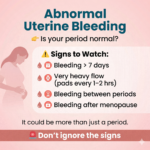
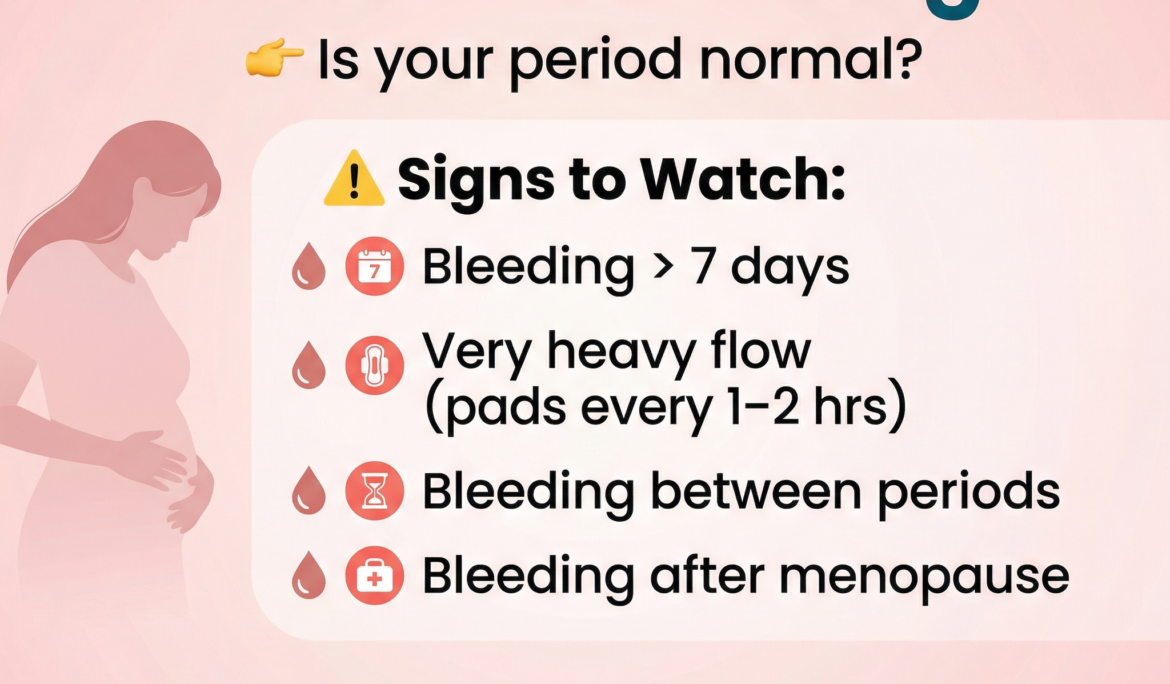
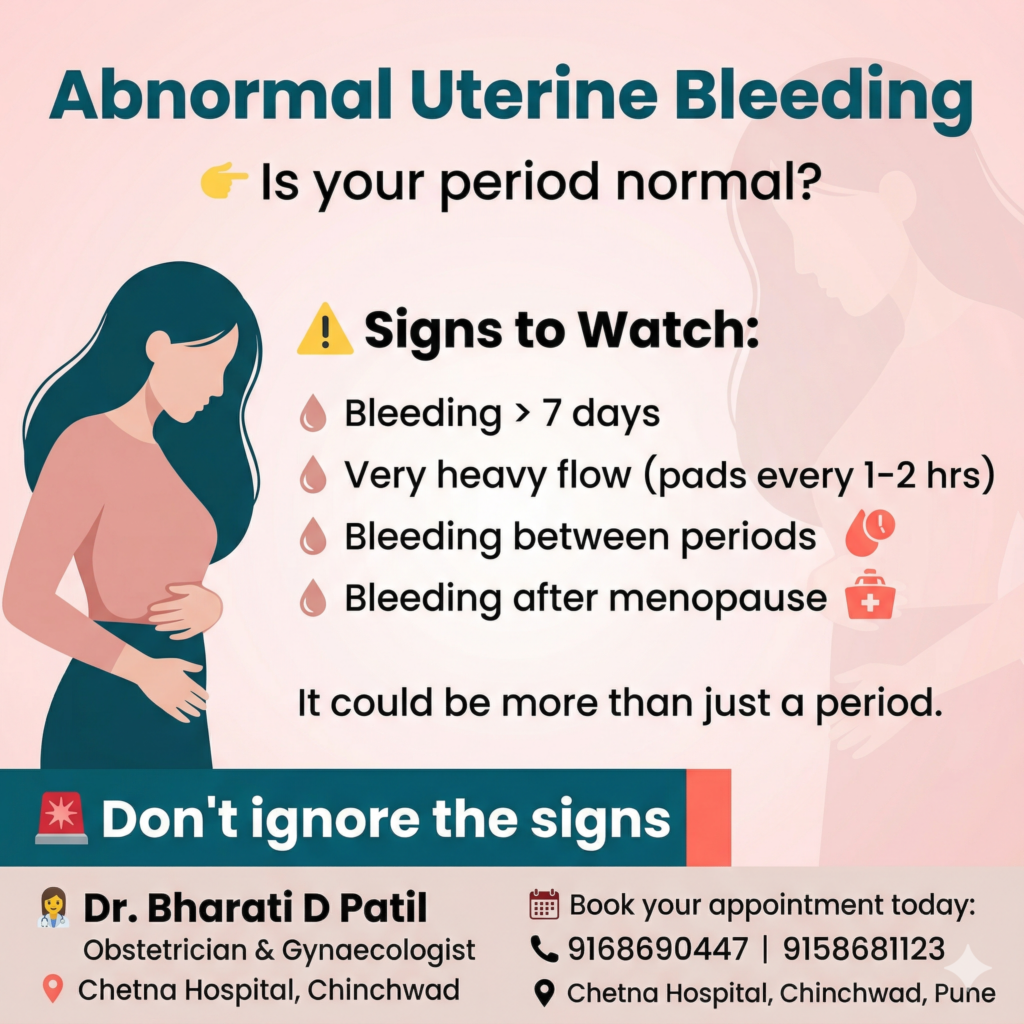
Recognizing the symptoms of AUB is the first step toward effective management. Typically, signs include heavy menstrual bleeding, bleeding between periods, and cycles that are either too short or too long.
Additionally, some women may experience prolonged bleeding lasting more than seven days. In other cases, spotting may occur after menopause, which is always considered abnormal.
Therefore, tracking your menstrual cycle can provide valuable insights. After all, patterns often reveal underlying issues that might otherwise go unnoticed.
What Are the Symptoms of an Abnormal Uterus?
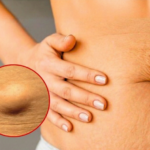
An abnormal uterus may present with a variety of symptoms. For instance, pelvic pain or pressure is common in conditions like fibroids or adenomyosis. Similarly, an enlarged abdomen may develop over time.
Moreover, painful periods and difficulty conceiving can also indicate underlying abnormalities. In many cases, these symptoms overlap, making professional evaluation essential. Ultimately, the body often gives subtle hints before a condition becomes severe.
When to Worry About Uterine Bleeding
Emergency Warning Signs
While some irregularities are harmless, certain symptoms require immediate medical attention. For example, bleeding that soaks through a pad every hour is a clear red flag. Likewise, passing large blood clots or experiencing severe fatigue should not be ignored.
In addition, dizziness or fainting may indicate significant blood loss. Therefore, these symptoms should prompt urgent evaluation. Acting quickly can prevent complications and ensure timely treatment.
What Are 5 Signs of Internal Bleeding?
Internal bleeding is a serious condition that may accompany severe AUB. Key warning signs include:
- Severe abdominal pain
- Dizziness or fainting
- Pale or clammy skin
- Rapid heartbeat
- Low blood pressure
If these symptoms occur together, immediate medical care is essential. In such cases, delaying treatment can be life-threatening.
Postmenopausal Bleeding: A Critical Red Flag
Bleeding after menopause is never normal. Even a small amount should be taken seriously.
👉 Direct Answer:
Postmenopausal bleeding must be evaluated immediately to rule out endometrial cancer.
Possible causes include:
- Endometrial cancer
- Polyps
- Hormone therapy side effects
According to global guidelines, any bleeding after 12 months of no periods requires urgent evaluation.
How Much Bleeding Is “Too Much”? (Clear Medical Thresholds)
Many women ask: “How do I know if my bleeding is abnormal?”
Here’s a simple, doctor-approved way to understand it.
👉 Heavy menstrual bleeding is defined as:
- Soaking 1 pad or tampon every hour for several hours
- Bleeding lasting more than 7 days
- Passing large clots (bigger than a coin)
- Estimated blood loss > 80 mL per cycle
However, you don’t need to measure blood in milliliters. Instead, focus on practical signs.
Simple rule:
If bleeding disrupts your daily life, it is not normal.
Diagnosis of Abnormal Uterine Bleeding
Clinical Evaluation and History
Diagnosis begins with a thorough medical history. First, the doctor will ask about menstrual patterns, lifestyle factors, and existing health conditions. Additionally, details about bleeding intensity and duration help narrow down possible causes.
Next, a physical examination is performed to detect any visible abnormalities. This step is crucial because it guides further testing and ensures a more accurate diagnosis.
Imaging and Lab Tests
To confirm the diagnosis, several tests may be recommended. For example:
- Ultrasound helps identify fibroids or polyps
- Blood tests assess hormone levels and anemia
- Endometrial biopsy rules out cancer
Together, these tests provide a comprehensive picture of the underlying issue. As a result, treatment can be tailored more effectively.
Treatment for Abnormal Uterine Bleeding
Medical Management Options
Treatment depends on the cause, severity, and the patient’s overall health. Initially, doctors often recommend medications. These may include hormonal therapies such as birth control pills or progesterone.
Additionally, non-hormonal options like NSAIDs and tranexamic acid can help reduce bleeding. In many cases, these treatments are highly effective and minimally invasive.
Treatment Options for Abnormal Uterine Bleeding
| Treatment Type | Method | Best For | Benefits | Limitations |
|---|---|---|---|---|
| Medical | Hormonal Therapy (OCPs, Progesterone) | Hormonal imbalance, PCOS | Regulates cycle, reduces bleeding | Requires long-term use |
| Medical | Tranexamic Acid | Heavy menstrual bleeding | Quickly reduces blood loss | Not for clotting disorders |
| Medical | NSAIDs | Mild to moderate bleeding | Reduces pain and bleeding | Less effective for severe cases |
| Surgical | Hysteroscopy | Polyps, small fibroids | Minimally invasive, quick recovery | Not for large fibroids |
| Surgical | Endometrial Ablation | Completed family women | Reduces or stops periods | Not suitable for future pregnancy |
| Surgical | Hysterectomy | Severe or cancer cases | Permanent solution | Major surgery, recovery time |
Surgical Treatment Approaches
However, if medications are ineffective, surgical options may be considered. For instance, hysteroscopy allows the removal of polyps or fibroids. Similarly, endometrial ablation reduces bleeding by destroying the uterine lining.
In severe cases, a hysterectomy may be recommended as a last resort. Fortunately, modern techniques are minimally invasive, leading to faster recovery times.
What Is Abnormal Uterine Bleeding Type A?
In the PALM classification, Type A refers to Adenomyosis. This condition occurs when endometrial tissue grows into the muscular wall of the uterus. As a result, the uterus becomes enlarged and painful.
Typically, women with adenomyosis experience heavy and prolonged periods. Additionally, pain may be more intense compared to regular menstrual cramps. Therefore, early diagnosis is essential for effective management.
Prevention and Lifestyle Management
Although not all causes of AUB can be prevented, certain lifestyle changes can reduce risk. For example, maintaining a healthy weight helps regulate hormones. Similarly, managing stress can improve menstrual regularity.
In addition, tracking your cycle allows early detection of abnormalities. Therefore, simple habits can play a significant role in overall reproductive health.
Lifestyle Factors That Worsen Abnormal Uterine Bleeding
Interestingly, your daily habits can directly affect your menstrual cycle. While medical conditions play a major role, lifestyle factors often make things worse.
Key Influencing Factors:
- Obesity:
Excess fat increases estrogen levels, which can disrupt cycles. - Stress:
Chronic stress affects hormone regulation, leading to irregular bleeding. - Poor Diet:
Low iron intake can worsen fatigue and anemia. - Lack of Exercise:
A sedentary lifestyle impacts hormonal balance.
👉 Therefore, even small changes—like regular exercise and stress management—can significantly improve symptoms.
Expert Care with Dr. Bharati D Patil
👩⚕️ Dr. Bharati D Patil
Obstetrician & Gynaecologist
📍 Chetna Hospital, Chinchwad, Pune
📅 Book your appointment today
📞 9168690447 | 9158681123
With years of experience, Dr. Patil offers comprehensive care for abnormal uterine bleeding. Moreover, her patient-centered approach ensures accurate diagnosis and effective treatment tailored to individual needs.
📍 Areas Served
Dr. Bharati D Patil proudly serves patients across multiple locations in and around Pune, making expert gynecological care easily accessible.
Areas Covered:
Akurdi | Nigdi | Dapodi | Sangvi | Rahatani | Thergaon | Wakad | Tathawade | Punawale | Ravet | Kiwale | Chikhali | Bhosari | Moshi
Patients from these areas trust Dr. Patil for timely diagnosis, effective treatment, and long-term women’s health management.
Conclusion
Abnormal uterine bleeding is not something to ignore. Instead, it should be seen as a signal from your body that something needs attention. While the causes may vary, early diagnosis significantly improves outcomes.
Therefore, staying informed and proactive is key. With the right medical guidance, most cases of AUB can be effectively managed, allowing women to regain control over their health and daily lives.
Why Choose Dr. Bharati D Patil?
Choosing the right gynecologist is crucial, especially when dealing with sensitive conditions like abnormal uterine bleeding. Here’s why patients trust Dr. Bharati D Patil:
- ✅ Expertise in AUB & Menstrual Disorders
Dr. Patil has extensive experience in diagnosing and treating all types of abnormal uterine bleeding in accordance with the latest medical guidelines. - ✅ Personalized Treatment Plans
Every patient is unique. Therefore, treatment is tailored based on age, symptoms, medical history, and future fertility goals. - ✅ Advanced Diagnostic Approach
From ultrasound to hormonal evaluation, she ensures accurate diagnosis before starting treatment. - ✅ Minimally Invasive Procedures
Whenever possible, she uses modern, less invasive techniques for faster recovery and minimal discomfort. - ✅ Compassionate & Patient-Centered Care
Patients feel heard, respected, and comfortable discussing even the most sensitive concerns. - ✅ Trusted Local Specialist
With a strong presence in Pune, she is a preferred choice for women seeking reliable gynecological care.
FAQs
A: The most common cause is hormonal imbalance, particularly involving estrogen and progesterone.
A: Treatment includes medications, hormonal therapy, and surgical options, depending on the underlying cause.
A: It refers to adenomyosis, where the uterine lining grows into the muscle wall.
A: You should worry if bleeding is heavy, prolonged, or occurs after menopause.
A: Severe pain, dizziness, pale skin, rapid heartbeat, and low blood pressure.