Swollen feet can be a sign that the heart is not pumping as well as it should, especially when the swelling comes with breathlessness while lying down. At Precision Cardiovascular Centre, Chetna Hospital, Chinchwad, a heart check starts with an examination, an ECG and, if needed, a 2D echo. See a doctor if your feet stay swollen for more than a few days.
Precision Cardiovascular Centre, Chetna Cardiac Hospital, Chinchwad
Call 91686 92085 Get Directions WhatsApp
Precision Cardiovascular Centre (Chetna Cardiac Hospital) · 3rd Floor, Chetna Hospital, Sambhaji Nagar, Near HP Petrol Pump, Nigdi Bhosari Highway, Chinchwad 411019
Key takeaways
- Foot swelling has many causes, and the heart is only one of them.
- Swelling plus breathlessness when lying down needs a heart check.
- Sudden weight gain is one of the signs of fluid building up in heart failure.
- Salty festive snacks can make swelling worse.
- Severe breathlessness or chest pain with swelling needs 108 at once.
In this article
- When do swollen feet point to the heart?
- What else comes with heart-related swelling?
- Why do swollen feet get worse after salty snacks?
- What happens at the first heart check?
- Swollen feet with breathlessness: when to call 108
- Frequently asked questions
Slippers that feel tight by evening are easy to ignore, and many people mention them only in passing. However, swollen feet are worth a proper look, because the cause decides the treatment.
When do swollen feet point to the heart?
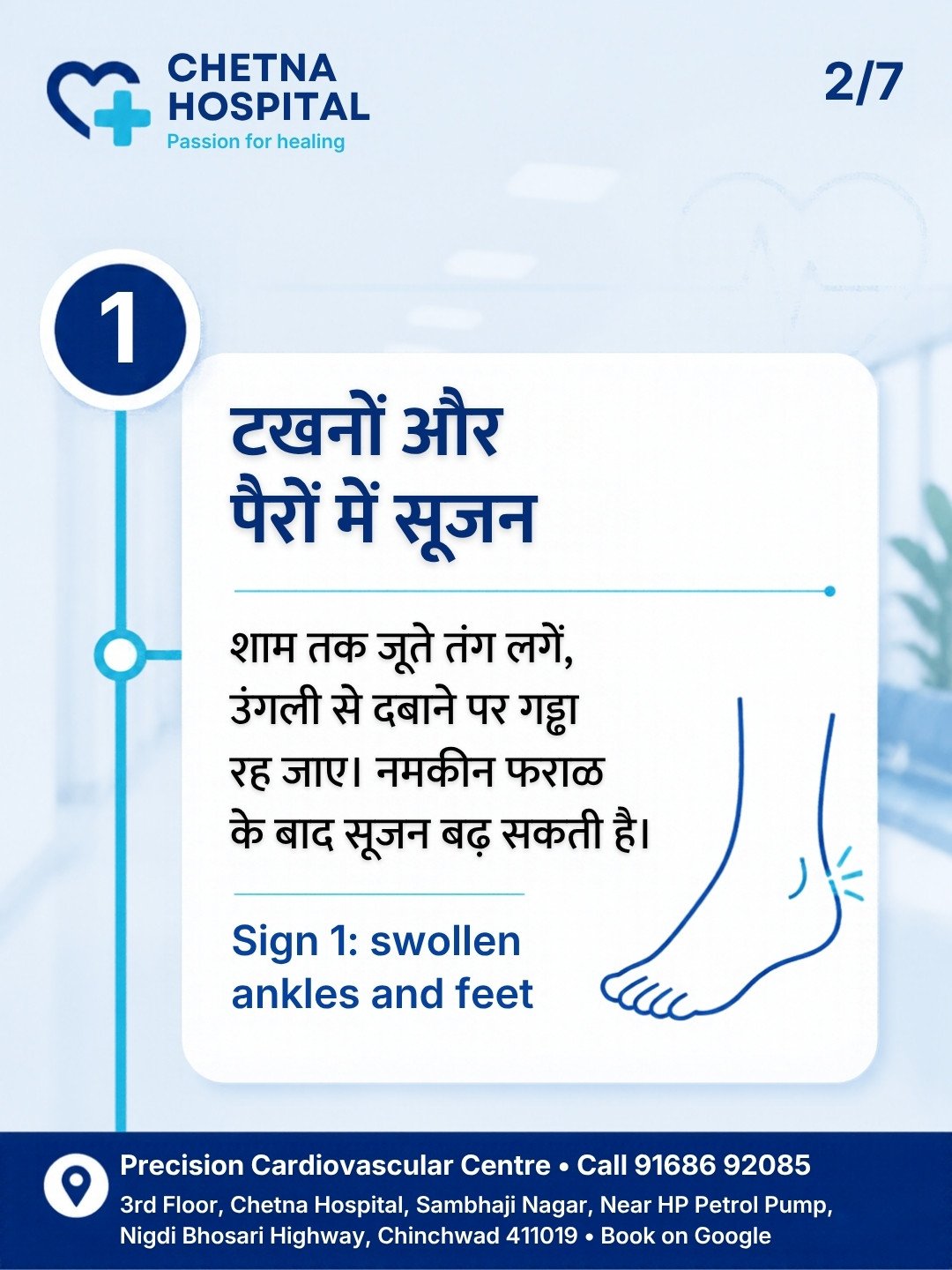
When the heart cannot pump blood properly, too much fluid stays in the body, and it tends to collect in the legs (MedlinePlus). Press a finger on the swollen area for a few seconds. If a dent stays, that is called pitting swelling. The NHS page on oedema describes these dents when you press on the skin.
The NHS lists swelling in the feet, ankles, legs or tummy among the main symptoms of heart failure. Heart failure does not mean the heart has stopped. It means the heart cannot pump blood as well as it should. According to the NHS, treatment and lifestyle changes can help manage the symptoms.
What else comes with heart-related swelling?
Swollen feet alone are common. The pattern matters more. The NHS lists these heart failure symptoms, so look for them together with the swelling:
- breathlessness during everyday activities, such as climbing stairs;
- breathlessness when lying down;
- coughing at night;
- feeling weak, very tired, light-headed or dizzy;
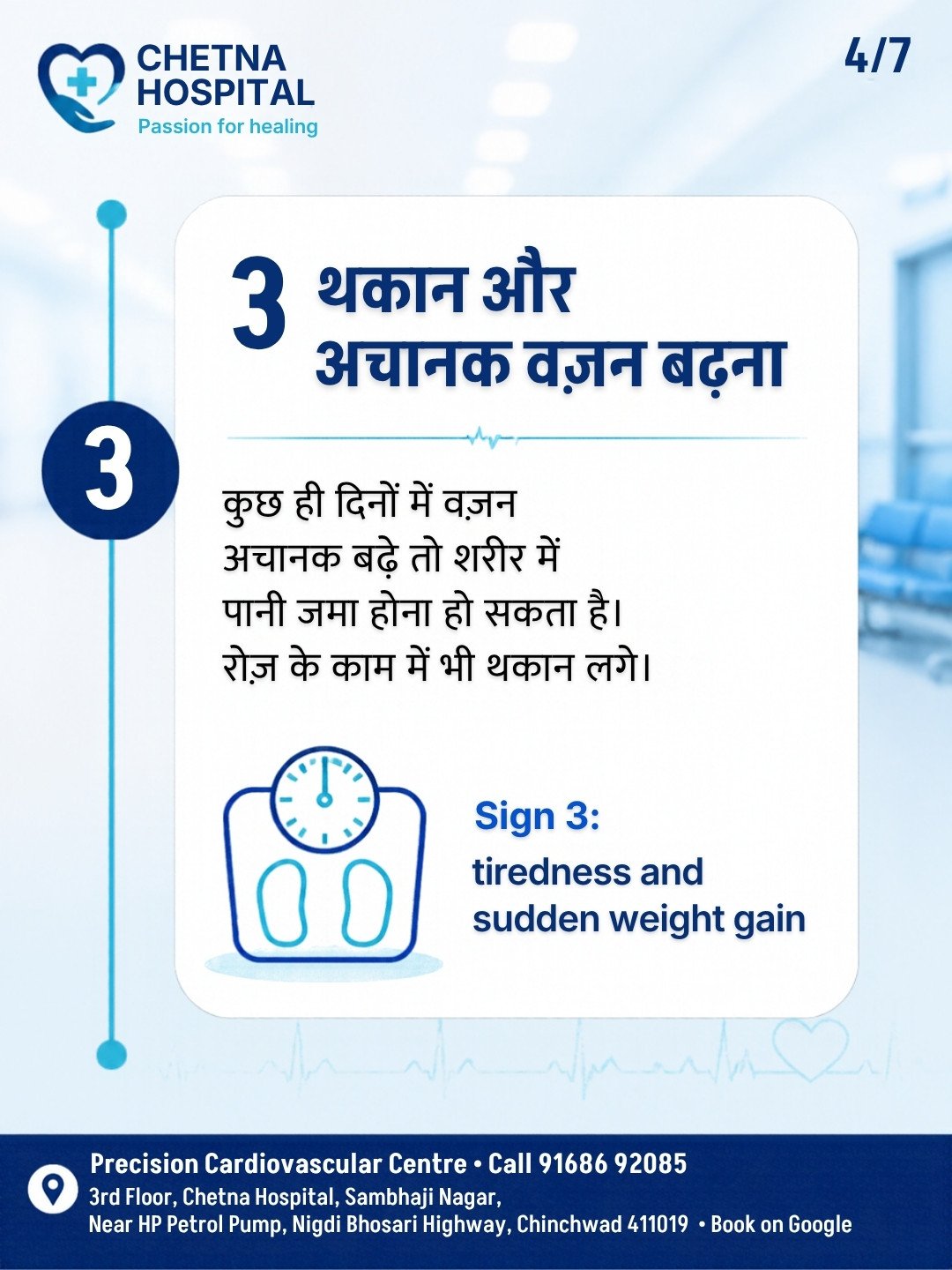
- sudden weight gain.
Also, heart failure often follows long-term strain on the heart from high BP or coronary heart disease, a heart attack or a heart valve problem (NHS). If you already have a heart or kidney condition and the swelling gets worse, contact your doctor soon rather than waiting for it to settle on its own.
Why do swollen feet get worse after salty snacks?
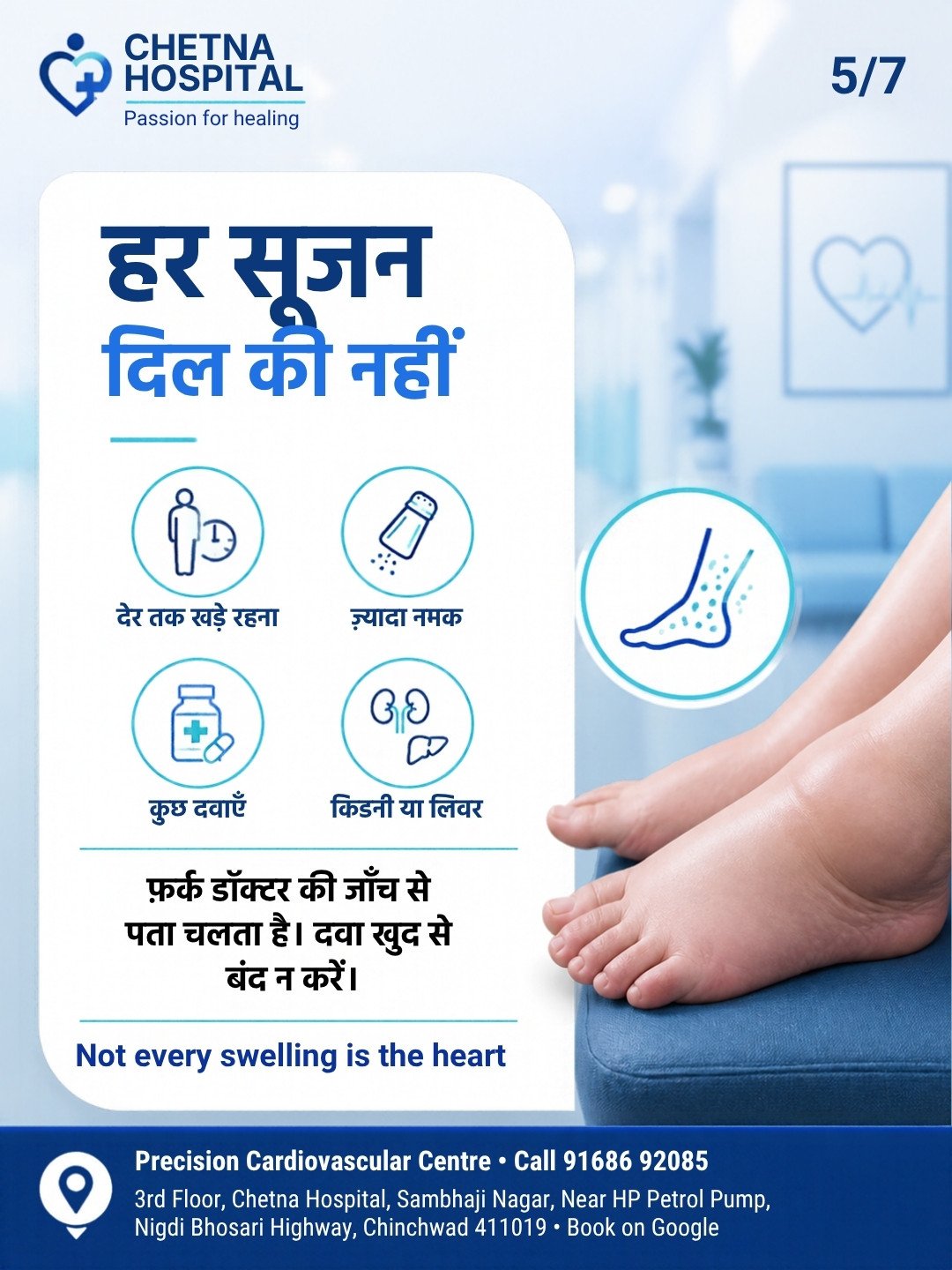
During festivals, chakli, chivda, shev and namkeen are on many plates. These snacks are salty. Ireland’s HSE lists eating too much salty food as a common cause of swelling, along with standing or sitting in the same position for too long and some medicines. MedlinePlus adds that a low-salt diet may reduce fluid build-up and swelling. So if you have a heart condition, ask your doctor how much salt and fluid is right for you.
For mild swelling, the NHS and HSE suggest a few simple steps at home:
- raise your legs on a chair or pillows when you can;
- take gentle walks to help blood flow;
- avoid standing or sitting in one position for a long time;
- avoid tight clothes and shoes; wide, low-heeled shoes are more comfortable.
The HSE advises talking to a doctor if the swelling does not get better in a few days.
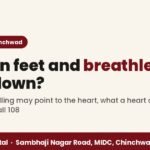
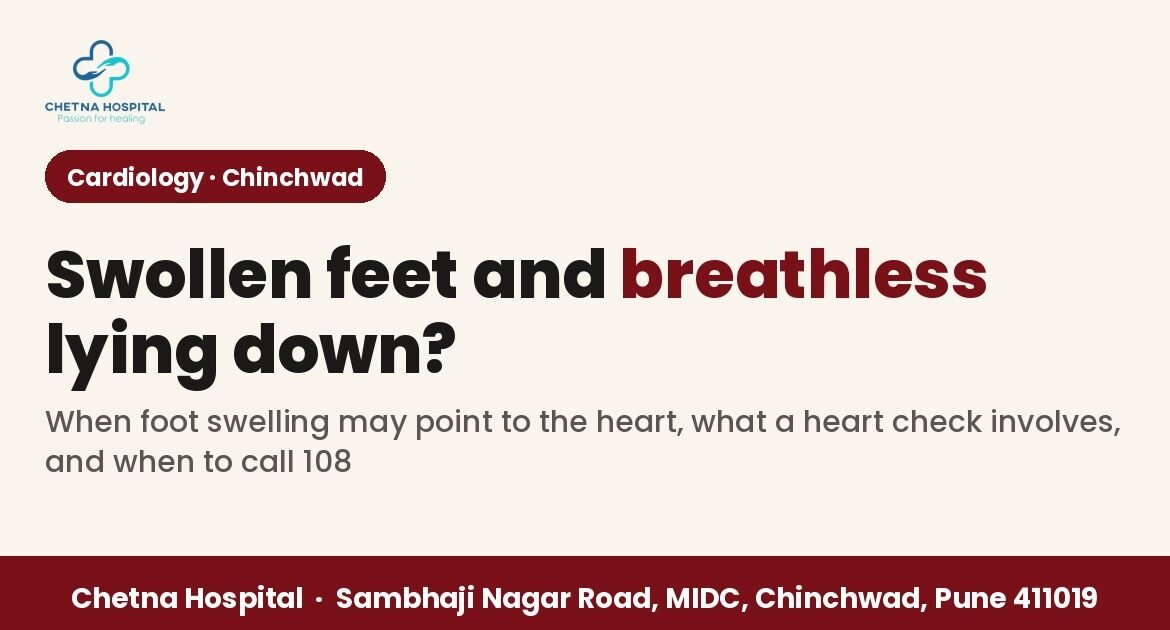
Swipe through our carousel on the swelling signs:
What happens at the first heart check?
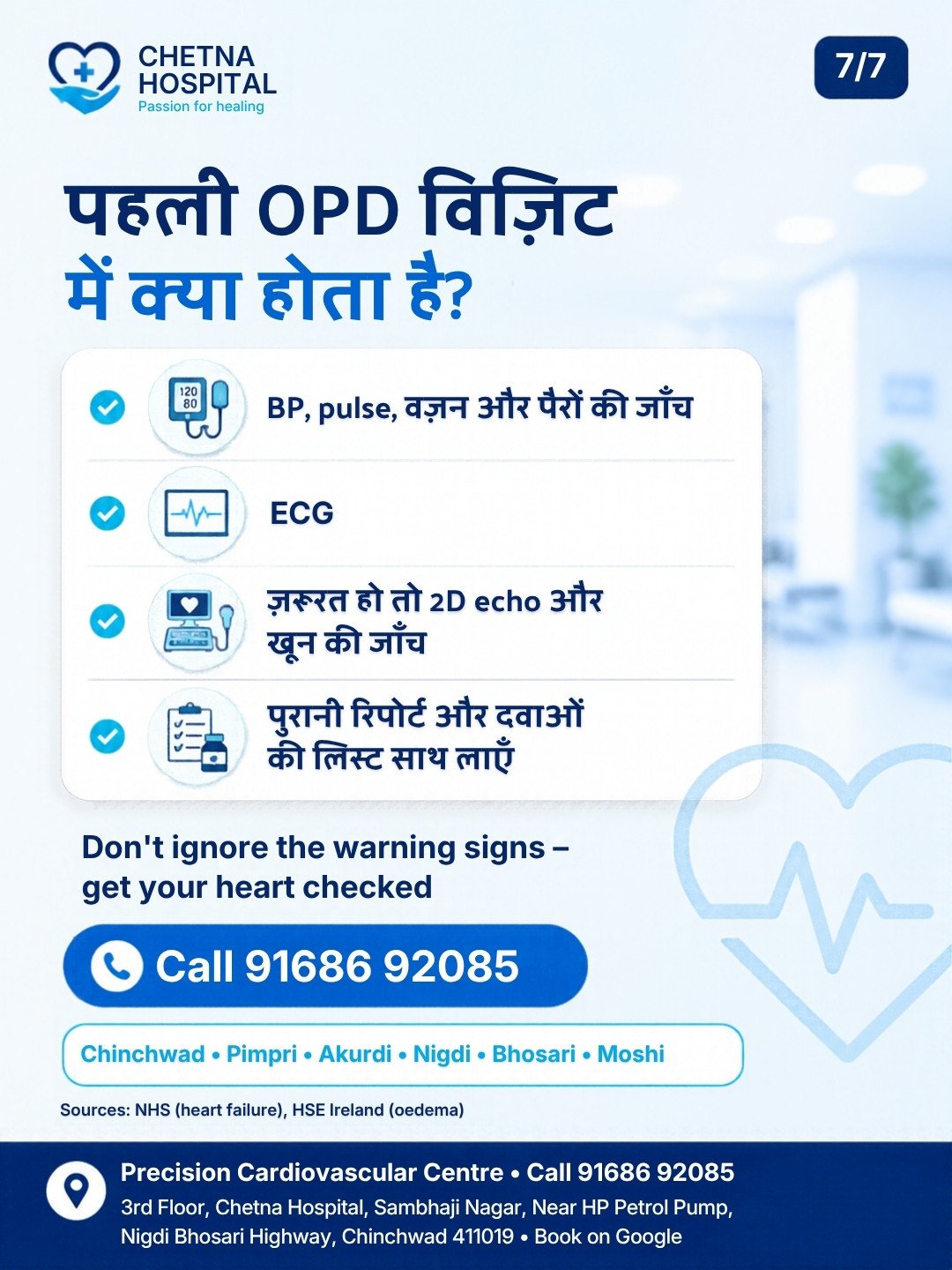
The first OPD visit is simple. Bring your old reports and a list of every medicine you take. First, the cardiologist asks when the swelling started and what makes it better or worse. Then the doctor checks your BP, pulse and weight, and examines your heart, lungs, legs and feet. Next comes an ECG. If needed, a 2D echo (an ultrasound scan of the heart) shows how strongly the heart pumps and how the valves work (HSE). Blood and urine tests may check the kidneys, liver and blood count, because problems there can also cause swelling or strain the heart. A chest X-ray is sometimes added (MedlinePlus).
Treatment depends on the cause. Some blood pressure medicines can cause swelling, so a medicine may need to be adjusted. Water tablets (diuretics) help the body pass out extra fluid (NHS). Sometimes further tests are needed. If tests show a blocked artery, our team also provides angioplasty in Chinchwad, PCMC in the cath lab of the same building. Never stop or change a heart medicine on your own. You can read more about our cardiology services in Chinchwad.
Swollen feet with breathlessness: when to call 108
Do not wait for an appointment if you notice:
- breathlessness so bad that you gasp, choke or cannot get words out;
- chest pain that feels tight or like squeezing, or spreads to your arms, neck or jaw (NHS);
- pale, blue or grey lips or skin.
Call 108 or 112, or reach the nearest emergency department. The NHS adds that you should not drive yourself.
Also get medical advice the same day if one leg suddenly becomes swollen and painful, with red or darker skin, because this can be a blood clot in the leg (NHS). If that comes with breathlessness or chest pain, call 108.
Swollen feet near you: heart check in Chinchwad
Precision Cardiovascular Centre (Chetna Cardiac Hospital) is at 3rd Floor, Chetna Hospital, Sambhaji Nagar, Near HP Petrol Pump, Nigdi Bhosari Highway, Chinchwad 411019. Patients come from Chinchwad, Pimpri, Akurdi, Nigdi, Ravet, Wakad, Hinjewadi, Pimple Saudagar, Thergaon, Tathawade, Punawale, Moshi and Bhosari. Call 91686 92085, or see our contact page for the route.
Frequently asked questions
Are swollen feet always a heart problem?
No. Swollen feet often come from long hours of standing or sitting, salty food, some blood pressure medicines, pregnancy, or kidney or liver problems. A cardiologist checks whether the heart is the cause.
Can salt cause swollen feet?
Yes. Eating too much salty food is a common cause of swelling, so puffy ankles are common after salty snacks. If you have a heart condition, ask your doctor how much salt and fluid is right for you.
Which test checks if swelling is from the heart?
The cardiologist starts with an examination, blood pressure and an ECG. A 2D echo shows how well the heart pumps and how the valves work, and blood tests check the kidneys, liver and blood count.
When are swollen feet an emergency?
Call 108 if swelling comes with severe breathlessness, chest pain or tightness, or pale, blue or grey lips or skin. If one leg suddenly becomes swollen and painful, get medical advice the same day.
Where can I get a heart check for swelling in Chinchwad?
Precision Cardiovascular Centre (Chetna Cardiac Hospital) is at 3rd Floor, Chetna Hospital, Sambhaji Nagar, Near HP Petrol Pump, Nigdi Bhosari Highway, Chinchwad 411019. Call 91686 92085 for a heart consultation.
Questions about swollen feet? Talk to the cardiology team.
Call 91686 92085 Get Directions WhatsApp
Precision Cardiovascular Centre (Chetna Cardiac Hospital) · 3rd Floor, Chetna Hospital, Sambhaji Nagar, Near HP Petrol Pump, Nigdi Bhosari Highway, Chinchwad 411019
Last updated 12 November 2026.
Sources
- NHS. Symptoms of heart failure.
- NHS. Heart failure.
- NHS. Swollen ankles, feet and legs (oedema).
- NHS. Blood clots.
- NHS. Heart attack.
- HSE Ireland. Swollen ankles, feet and legs (oedema).
- HSE Ireland. Echocardiogram.
- MedlinePlus (US National Library of Medicine). Foot, leg, and ankle swelling.
This article is general health information and does not replace a consultation. The cause of swelling and the tests you need are decided only after a doctor has examined you.
How this article was prepared: Chetna Hospital’s content team wrote it with the help of AI writing tools and checked it against the sources listed. It is general health information, not personal medical advice.