









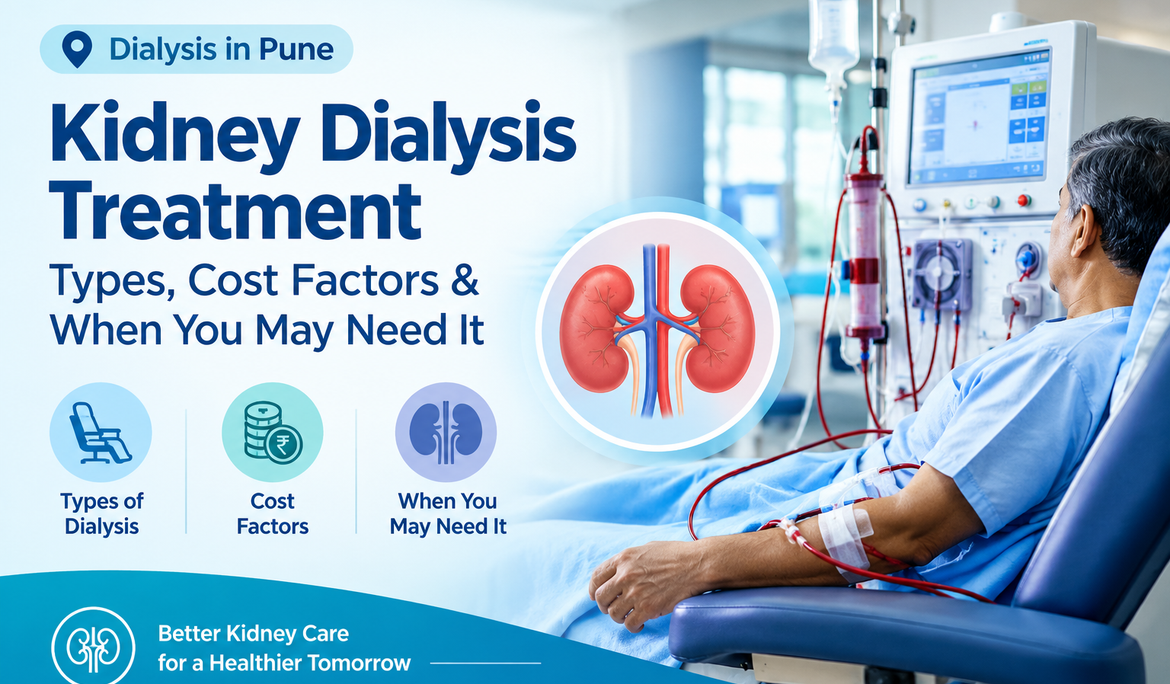
Looking for dialysis in Pune, kidney dialysis near you, or kidney care in Pimpri Chinchwad? Understanding dialysis, when it is needed, how it works, and what patients should expect can help families make informed healthcare decisions.
Dialysis is a specialized treatment that helps remove waste products and excess fluid from the blood when the kidneys are no longer able to perform these functions adequately. It may be required in certain cases of advanced chronic kidney disease, kidney failure, or severe acute kidney injury.
However, not everyone with kidney disease or high creatinine requires dialysis. The decision depends on kidney function, symptoms, fluid balance, electrolyte levels and the patient’s overall medical condition.
At Chetna Hospital in Chinchwad, Pune, patients can receive medical evaluation and kidney-related diagnostic support. The hospital’s pathology services include renal/kidney function testing and investigations such as creatinine and eGFR.
Medically Reviewed By: Dr. Ashpak Bangi, Consulting Physician & Intensivist, Chetna Hospital
What Is Dialysis?
Dialysis is a treatment that performs some of the functions of the kidneys when the kidneys cannot adequately filter the blood.
Healthy kidneys remove waste products and excess fluid from the body through urine. They also help maintain appropriate levels of electrolytes and contribute to maintaining the body’s chemical balance.
When kidney function becomes severely impaired, waste products, fluid and certain electrolytes can accumulate in the bloodstream.
Dialysis helps manage these problems in patients who meet the medical criteria for kidney replacement therapy.
The two main types of dialysis are:
- Hemodialysis
- Peritoneal dialysis
The appropriate type depends on the patient’s medical condition, kidney function, lifestyle, treatment requirements and recommendations from the treating medical team.
When Is Dialysis Needed?
Dialysis may be recommended when the kidneys can no longer adequately maintain the body’s fluid, chemical and waste balance.
Doctors may consider dialysis when a patient develops problems such as:
- Severe accumulation of waste products
- Fluid overload that cannot be controlled adequately
- Certain serious electrolyte abnormalities
- Severe acid-base disturbances
- Symptoms caused by advanced kidney failure
- Some cases of severe acute kidney injury
- Advanced kidney disease with complications
Importantly, dialysis is not prescribed based on creatinine alone.
The doctor may consider:
- Serum creatinine
- eGFR
- Blood urea
- Potassium and other electrolytes
- Urine output
- Fluid retention
- Blood pressure
- Symptoms
- Overall medical condition
For patients with multiple health problems such as diabetes, hypertension or heart disease, a comprehensive medical assessment becomes particularly important.
Dr. Ashpak Bangi, Consulting Physician & Intensivist at Chetna Hospital, can assess the patient’s overall medical condition and determine whether further kidney-related investigations or specialist referral may be appropriate.
Does High Creatinine Mean You Need Dialysis?
No. A high creatinine level does not automatically mean that dialysis is required.
Creatinine is an important marker used to assess kidney function, but doctors interpret it along with other clinical information.
For example, a patient may have an elevated creatinine level without immediately requiring dialysis, while another patient with serious kidney dysfunction may require urgent treatment because of complications such as fluid overload or dangerous electrolyte abnormalities.
Therefore, patients should not decide about dialysis based on a single blood-test result.
If you have received an abnormal creatinine or eGFR report, consult a qualified doctor for appropriate evaluation
Types of Dialysis
1. Hemodialysis
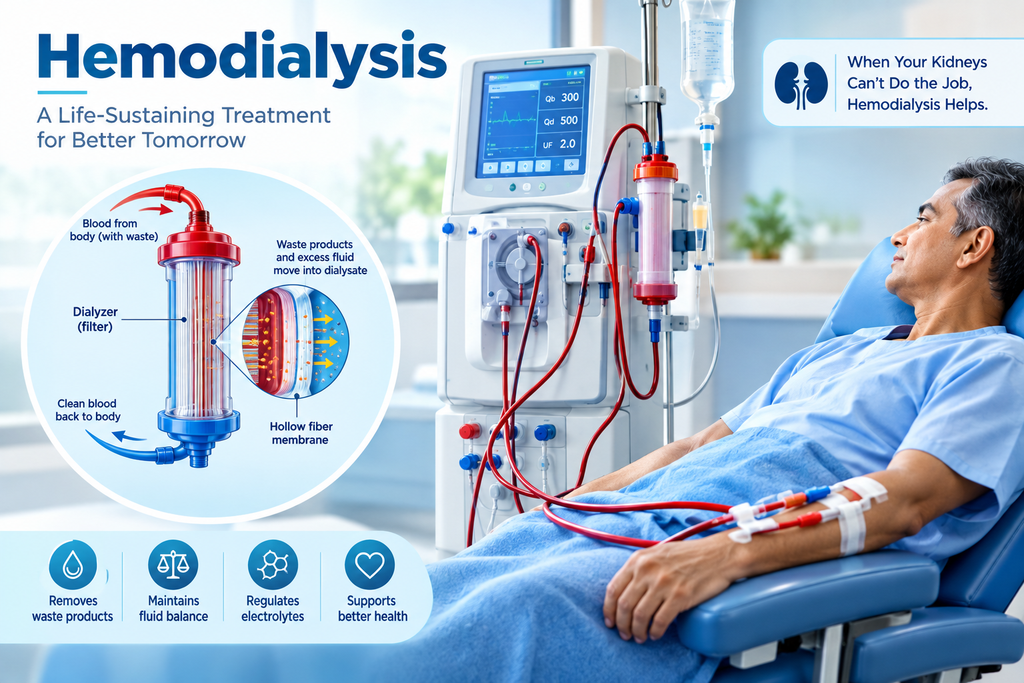
Hemodialysis uses a dialysis machine and a special filter called a dialyzer to remove waste products and excess fluid from the blood.
During treatment:
- Blood is removed from the body through an appropriate vascular access.
- Blood passes through the dialyzer.
- Waste products and excess fluid are removed.
- The filtered blood is returned to the body.
Patients receiving long-term hemodialysis may have vascular access such as an arteriovenous fistula, graft or catheter, depending on their individual medical situation.
How often is hemodialysis required?
The frequency varies according to the patient’s condition and prescribed treatment plan.
Many patients receiving maintenance hemodialysis undergo treatment multiple times each week, with each session lasting several hours.
The dialysis schedule is individualized by the treating healthcare team.
2. Peritoneal Dialysis
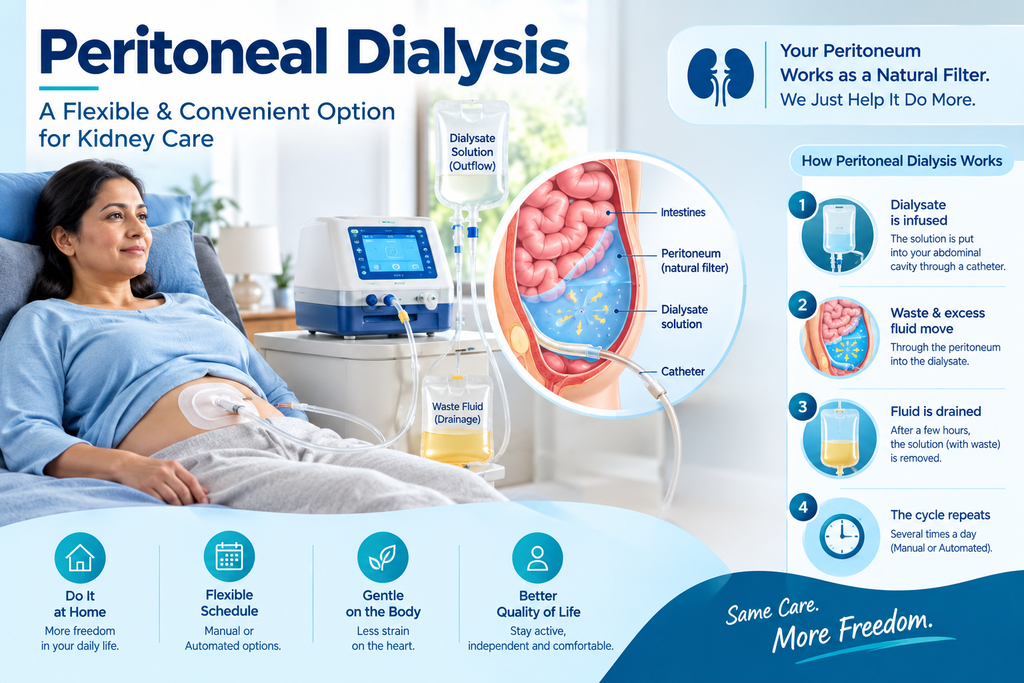
Peritoneal dialysis uses the peritoneum, the lining of the abdomen, as a natural filtering membrane.
A special dialysis solution is introduced into the abdominal cavity through a catheter.
Waste products and excess fluid move from the blood into the dialysis solution. The solution is then drained and replaced according to the prescribed treatment schedule.
Peritoneal dialysis may be performed using different techniques depending on the patient’s medical needs and treatment plan.
What Happens During a Dialysis Session?
For patients receiving hemodialysis, healthcare professionals generally monitor the patient before, during and after treatment.
Monitoring may include:
- Blood pressure
- Body weight
- Fluid status
- Vascular access
- Heart rate and other vital signs
- Symptoms during treatment
- Relevant blood-test results
The dialysis machine operates according to the patient’s prescribed treatment settings.
Some patients may feel tired after dialysis. Other symptoms can also occur, and patients should inform their healthcare team about any unusual or severe symptoms.
What Are the Symptoms of Advanced Kidney Disease?
Chronic kidney disease may develop gradually, and many people have few or no symptoms during the early stages.
As kidney function decreases, symptoms may include:
- Swelling of the feet, ankles or face
- Changes in urine output
- Persistent tiredness
- Nausea
- Vomiting
- Reduced appetite
- Shortness of breath
- Difficulty concentrating
- Itching
- Muscle cramps
- High blood pressure
These symptoms can have several possible causes and do not automatically indicate that a patient needs dialysis.
If kidney disease is suspected, appropriate medical evaluation and kidney-function testing are important.
What Causes Kidney Failure?
Several conditions can damage the kidneys over time.
Common causes and risk factors include:
Diabetes
Diabetes can damage the blood vessels within the kidneys over time, particularly when blood glucose remains uncontrolled.
High Blood Pressure
Long-term uncontrolled hypertension can damage kidney blood vessels and contribute to declining kidney function.
Kidney Diseases
Certain kidney diseases can progressively reduce kidney function.
Acute Kidney Injury
A sudden decline in kidney function can occur because of severe infection, dehydration, certain medications, obstruction or other medical conditions.
Other Medical Conditions
Heart disease, autoimmune disorders and other systemic illnesses may also affect kidney function.
Diabetes and Kidney Disease: What Is the Connection?
Diabetes is an important risk factor for chronic kidney disease.
Persistently high blood glucose can damage the tiny blood vessels involved in kidney filtration. Kidney damage may progress gradually, sometimes without noticeable symptoms.
People with diabetes should discuss appropriate kidney monitoring with their doctor.
Depending on the individual situation, monitoring may include:
- Blood glucose
- HbA1c
- Blood pressure
- Serum creatinine
- eGFR
- Urine albumin/protein testing
Early identification of kidney problems may allow doctors to address contributing factors and manage the condition appropriately.
High Blood Pressure and Kidney Health
High blood pressure and kidney disease are closely connected.
Uncontrolled hypertension can contribute to kidney damage, while declining kidney function can also make blood pressure more difficult to control.
Patients with hypertension should follow their prescribed treatment and undergo appropriate monitoring.
If you have diabetes and high blood pressure together, regular kidney evaluation may be particularly important.
What Tests Are Done to Check Kidney Function?
A doctor may recommend several tests depending on the patient’s symptoms and medical history.
| Kidney Test | What It Helps Assess |
|---|---|
| Serum Creatinine | Helps assess kidney function |
| eGFR | Estimates kidney filtration |
| Blood Urea | Helps assess waste-product accumulation |
| Electrolytes | Helps identify abnormalities such as potassium imbalance |
| Urine Examination | Helps identify urinary and kidney abnormalities |
| Urine Protein/Albumin | Helps detect kidney damage |
| Blood Pressure | Assesses an important kidney-disease risk factor |
| Ultrasound | May help evaluate kidney structure |
Not every patient requires all of these tests.
At Chetna Hospital, Chinchwad, kidney-related diagnostic investigations listed by the pathology department include renal/kidney function testing, creatinine, eGFR and related laboratory investigations.
Can Kidney Disease Be Prevented?
Not every kidney disease can be prevented, but several measures can help protect kidney health.
Control diabetes
Keep blood glucose within the target range recommended by your doctor.
Manage blood pressure
Take prescribed medicines and monitor blood pressure regularly.
Maintain a healthy lifestyle
Regular physical activity, appropriate nutrition and maintaining a healthy weight can support overall health.
Avoid unnecessary medications
Some medicines can affect kidney function, particularly when taken incorrectly or in susceptible patients. Always discuss regular or long-term medication use with your doctor.
Get kidney function checked when appropriate
People at higher risk because of diabetes, hypertension or other medical conditions may benefit from periodic kidney evaluation.
Stay appropriately hydrated
Fluid requirements vary between individuals. Patients with advanced kidney disease or heart problems should follow the fluid recommendations provided by their doctor rather than assuming that more fluid is always better.
Is Dialysis Permanent?
Dialysis is not necessarily permanent in every situation.
The duration depends on the underlying cause of kidney dysfunction.
Dialysis for acute kidney injury
Some patients with severe acute kidney injury may need dialysis temporarily while their kidney function recovers.
Dialysis for chronic kidney failure
Patients with advanced, irreversible kidney failure may require long-term kidney replacement therapy.
Depending on the patient’s overall health and suitability, treatment options may include:
- Hemodialysis
- Peritoneal dialysis
- Kidney transplantation
- Conservative kidney management in selected situations
The treating specialist can explain the appropriate options for each patient.
What Should You Ask Before Starting Dialysis?
If you or a family member has been advised to consider dialysis, ask the medical team:
- Why is dialysis being recommended?
- Is the kidney problem acute or chronic?
- Is dialysis expected to be temporary or long term?
- Which type of dialysis is appropriate?
- How frequently will treatment be required?
- What dietary and fluid restrictions are necessary?
- What vascular access is required?
- What complications should the family watch for?
- Which medicines need to be continued or adjusted?
- When should emergency medical care be sought?
Understanding the treatment plan can help patients and caregivers manage dialysis more confidently.
Choosing Kidney and Dialysis Care in Pune
If you are searching for dialysis in Pune, dialysis near me, kidney treatment in Pune, or kidney care in Pimpri Chinchwad, consider more than the distance or treatment price.
Important factors include:
- Qualified medical supervision
- Availability of appropriate specialists
- Trained dialysis staff
- Infection-control practices
- Emergency medical support
- Laboratory facilities
- Monitoring during treatment
- Vascular-access management
- Management of dialysis-related complications
- Accessibility for regular follow-up
- Communication between doctors and dialysis teams
For patients living in Chinchwad, Sambhaji Nagar, Nigdi, Akurdi, Ravet, Thergaon, Kalewadi, Pimple Saudagar, Wakad and surrounding PCMC areas, accessibility can be especially important when frequent medical visits are required.
Kidney Evaluation and Medical Care at Chetna Hospital, Pune
Chetna Hospital is a multispecialty healthcare facility serving patients in Chinchwad, Pimpri-Chinchwad and the wider Pune region.
The hospital provides medical services and diagnostic support, including kidney-related laboratory investigations such as renal/kidney function testing, creatinine and eGFR.
Patients with diabetes, high blood pressure, abnormal kidney-function reports, swelling, changes in urine output or other kidney-related concerns can seek appropriate medical evaluation.
Dr. Ashpak Bangi, Consulting Physician & Intensivist at Chetna Hospital, can evaluate the patient’s general medical condition and help determine whether further investigations or specialist kidney care may be required.
If a patient has advanced kidney disease or may require dialysis, the appropriate treatment should be determined by the relevant specialist based on the patient’s individual condition.
When Should You Seek Urgent Medical Attention?
Patients with severe kidney disease should seek urgent medical attention if they experience concerning symptoms such as:
- Severe difficulty breathing
- Chest pain
- Fainting
- Severe confusion
- Significant weakness
- Severe swelling
- Persistent vomiting
- Major changes in urine output
- Symptoms of serious infection
- Very high or very low blood pressure
Do not delay emergency evaluation when serious symptoms are present.
Frequently Asked Questions About Dialysis
Dialysis is a treatment that helps remove waste products and excess fluid from the blood when the kidneys are unable to perform these functions adequately.
The main purpose of dialysis is to help control waste products, excess fluid and certain chemical imbalances when kidney function is severely reduced.
No. A high creatinine level alone does not automatically mean that dialysis is necessary. Doctors consider kidney function, symptoms, fluid status, electrolytes and the patient’s overall condition.
The frequency depends on the type of dialysis and the individual patient’s treatment plan. Many patients receiving maintenance hemodialysis require treatment multiple times per week.
A hemodialysis session commonly lasts several hours, although the exact duration varies according to the patient’s prescription and medical needs.
The dialysis treatment itself is not usually painful, although patients undergoing hemodialysis may experience some discomfort from vascular-access needles.
Yes. Patients with severe acute kidney injury may require dialysis temporarily while their kidney function recovers.
Many people continue working, travelling and participating in everyday activities while receiving dialysis. Treatment schedules, dietary recommendations and fluid restrictions need to be incorporated into daily life.
Depending on the patient’s condition, options may include hemodialysis, peritoneal dialysis, kidney transplantation or conservative kidney management in selected cases.
Diabetes can damage the kidneys over time and is an important risk factor for chronic kidney disease. Good blood-glucose and blood-pressure control can help protect kidney health.
Yes. Long-term uncontrolled high blood pressure can damage the blood vessels in the kidneys and contribute to declining kidney function.
Patients in Pune and PCMC can consult a qualified physician or kidney specialist depending on their condition. Chetna Hospital in Chinchwad provides medical evaluation and kidney-related diagnostic investigations.
Only a qualified medical professional can determine whether dialysis is appropriate. If you have advanced kidney disease, abnormal kidney-function tests, severe swelling, fluid overload, electrolyte abnormalities or symptoms associated with kidney failure, seek medical evaluation promptly.
Book a Medical Consultation for Kidney Concerns in Pune
If you have high creatinine, abnormal eGFR, diabetes, high blood pressure, swelling, reduced urine output or other concerns about kidney health, do not rely on online information alone.
Get your reports evaluated by a qualified medical professional.
Chetna Hospital, Chinchwad, Pune
Address: Sambhaji Nagar, Chinchwad, Pimpri-Chinchwad, Maharashtra 411019
Consulting Physician & Intensivist: Dr. Ashpak Bangi
Contact: +91 9158680739 / +91 9158681123
Book a consultation at Chetna Hospital for appropriate medical evaluation and guidance.
Medical Disclaimer
This article is provided for general educational purposes and does not replace consultation with a qualified healthcare professional.
Dialysis is a specialized medical treatment. Patients should not start, stop or change dialysis, medicines, fluid intake or dietary restrictions based solely on information available online.
Medical Reviewer: Dr. Ashpak Bangi, Consulting Physician & Intensivist, Chetna Hospital
Last Reviewed: September 2026
Reference Links – https://www.niddk.nih.gov/health-information/kidney-disease/kidney-failure/hemodialysis



1 Comment
Kidney Stone in October Heat: When I Advise a Procedure | Chinchwad - Chetna Hospital
[…] If your pain is higher up in the abdomen or not typical of a stone, read our guide on when abdominal pain needs a surgical evaluation. For people already on dialysis, fluid advice is different; see our page on dialysis in Pune. […]