What Is Ebola?
Ebola, also known as Ebola virus disease (EVD), is a rare but serious viral infection that can cause severe illness. It primarily affects humans and certain non-human primates and can spread through direct contact with the blood or other body fluids of an infected person or animal.
Ebola can initially resemble other infections that cause fever, weakness and body aches. However, the illness can progress rapidly and may lead to serious complications. Early medical assessment is therefore important, particularly when a person has a compatible travel or exposure history.
If you or someone in your family develops a high fever or other concerning symptoms after possible exposure to an infectious disease, seek medical attention promptly rather than attempting to diagnose or treat the condition at home.
At Chetna Hospital, Pune, our medical team can assess patients with fever and other potentially serious symptoms and determine whether further investigation, infection-control precautions or referral to an appropriate specialised facility is required.
What Causes Ebola?
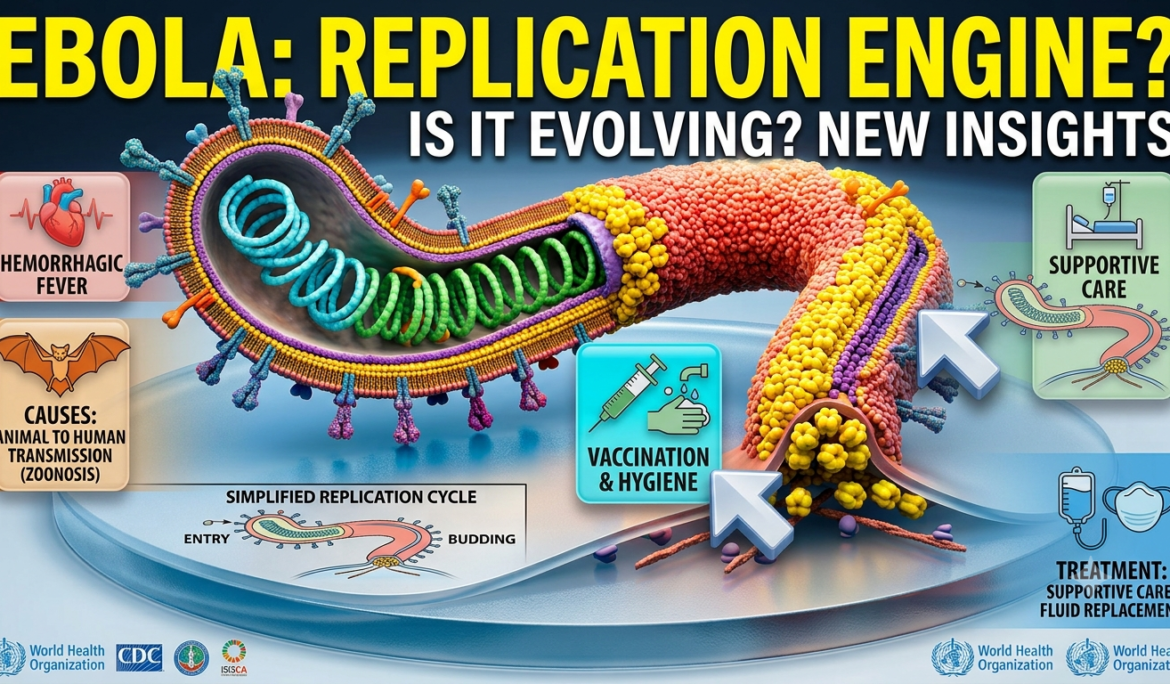
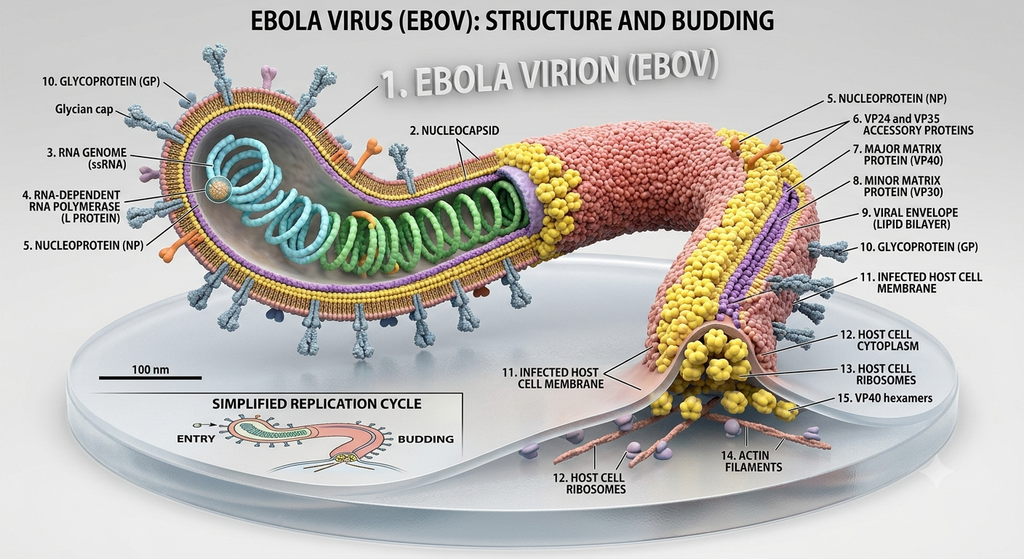
Ebola is caused by viruses belonging to the Filoviridae family.
Different Ebola virus species can cause Ebola virus disease. Outbreaks have occurred primarily in parts of sub-Saharan Africa.
The virus can enter the human population through contact with infected animals and can subsequently spread between people through direct contact with infected body fluids.
How Does Ebola Spread?
Ebola is not typically spread through casual contact, such as simply sitting near an infected person.
Transmission can occur through direct contact with infected:
- Blood
- Vomit
- Diarrhoeal stool
- Saliva
- Urine
- Sweat
- Breast milk
- Semen
- Other potentially infectious body fluids
Healthcare workers and family caregivers can face increased exposure risk when appropriate infection-prevention measures are not followed.
The virus may also spread through contaminated needles, medical equipment, clothing or bedding.
Because Ebola requires strict infection-control precautions, suspected cases should be handled according to appropriate public-health and infectious-disease protocols.
What Are the Symptoms of Ebola?
The symptoms of Ebola can initially resemble those of several other infections.
Common early symptoms may include:
- Fever
- Severe tiredness or weakness
- Muscle pain
- Headache
- Sore throat
As the illness progresses, additional symptoms may develop, including:
- Vomiting
- Diarrhoea
- Abdominal pain
- Skin rash
- Unexplained bleeding or bruising in some patients
- Symptoms related to organ dysfunction in severe disease
Not every person with Ebola will experience the same symptoms.
How Long After Exposure Do Ebola Symptoms Appear?
Ebola symptoms do not usually begin immediately after exposure.
The incubation period can range from 2 to 21 days, with symptoms most commonly developing within approximately 8–10 days.
A person who develops compatible symptoms after a possible exposure should contact a healthcare professional promptly and clearly explain the exposure and travel history.
Is Ebola Contagious?
Yes. Ebola can spread from an infected person to another person through direct contact with infected body fluids.
However, a person is generally not considered contagious before symptoms begin.
The risk of transmission can increase as the illness becomes more severe because the amount of virus in certain body fluids may increase.
Special precautions are particularly important when caring for a person with suspected or confirmed Ebola.
Who May Be at Higher Risk of Ebola?
The risk of Ebola is generally associated with specific exposure situations, particularly during an outbreak.
People who may have increased exposure risk include:
- Individuals who have travelled to or live in an area experiencing an Ebola outbreak
- People who have had direct contact with an infected person
- Healthcare workers caring for suspected or confirmed Ebola patients
- Family members providing close care to an infected person
- People involved in handling the bodies of individuals who died from Ebola
- Individuals exposed to infected animals in affected regions
Simply having a fever does not mean that a person has Ebola.
Travel and exposure history are important when doctors evaluate the possibility of Ebola.
How Is Ebola Diagnosed?
Ebola cannot be reliably diagnosed based on symptoms alone.
Many common illnesses can cause fever, headache, weakness, vomiting or diarrhoea. Doctors therefore consider several factors when assessing a patient.
These may include:
- Symptoms
- Recent travel history
- Known contact with an infected person
- Potential occupational or healthcare exposure
- Current outbreak information
- Laboratory testing when clinically indicated
Specialised laboratory tests are required to confirm Ebola.
If Ebola is suspected, healthcare professionals must follow appropriate infection-control and public-health procedures while arranging testing and further management.
Ebola Treatment
There is no simple home treatment or over-the-counter medicine that cures Ebola.
Medical treatment focuses on supporting the patient’s body and managing complications. Depending on the clinical situation, treatment may include:
- Intravenous fluids
- Maintaining appropriate hydration
- Correction of electrolyte abnormalities
- Oxygen and respiratory support when required
- Blood pressure and circulatory support
- Treatment of associated infections or complications
- Monitoring kidney and other organ function
- Appropriate nutritional support
- Specific Ebola-directed therapies when indicated and available under applicable protocols
Certain Ebola-specific treatments have been developed for particular Ebola virus infections. Their use depends on the virus involved, clinical circumstances, availability and applicable medical/public-health protocols.
Why Early Medical Care Matters
Severe viral infections can cause dehydration, low blood pressure, organ dysfunction and other potentially life-threatening complications.
Early medical evaluation allows healthcare professionals to:
- Assess the severity of illness
- Identify dehydration or other complications
- Consider alternative causes of fever
- Implement appropriate infection-control measures
- Arrange relevant testing
- Coordinate specialist or public-health support when necessary
Can Ebola Be Prevented?
There are several measures that can reduce the risk of Ebola transmission.
1. Avoid Contact With Infected Body Fluids
Do not directly touch the blood or body fluids of a person suspected or confirmed to have Ebola.
2. Follow Infection-Control Measures
Healthcare workers should use appropriate personal protective equipment and follow established infection-prevention procedures.
3. Avoid Contact With Potentially Contaminated Materials
Clothing, bedding, needles and medical equipment contaminated with infected body fluids can pose a transmission risk.
4. Follow Public-Health Guidance During Outbreaks
If you have recently travelled to an affected area or have been exposed to a confirmed case, follow instructions from healthcare professionals and public-health authorities.
5. Vaccination During Outbreak Situations
Vaccines are available for prevention of certain Ebola virus infections and may be used according to outbreak and public-health recommendations.
Vaccination recommendations can depend on the specific Ebola virus, location, exposure risk and current outbreak situation.
When Should You Seek Medical Care for Suspected Ebola?
You should seek urgent medical advice if you develop symptoms such as fever, severe weakness, vomiting or diarrhoea after:
- Recent travel to an area affected by an Ebola outbreak
- Known contact with a person who has suspected or confirmed Ebola
- Direct exposure to potentially infected body fluids
- Occupational exposure in a healthcare or laboratory setting
Do not wait for symptoms to become severe.
When contacting a hospital or healthcare provider, inform them about your recent travel and possible exposure history before arriving, so appropriate infection-control arrangements can be made.
Ebola vs Common Fever: Why Medical Evaluation Matters
Fever alone is not enough to diagnose Ebola.
Several common illnesses can cause:
| Symptom | Ebola | Other infections |
|---|---|---|
| Fever | Common | Very common |
| Headache | Common | Common |
| Muscle pain | Common | Common |
| Weakness | Common | Common |
| Vomiting | May occur | May occur |
| Diarrhoea | May occur | May occur |
| Rash | May occur | Can occur |
| Bleeding | Can occur in severe disease | Depends on cause |
| Travel/exposure history | Important clue | May or may not be relevant |
This is why medical assessment and appropriate testing are more reliable than trying to identify Ebola from symptoms alone.
Why Choose Chetna Hospital for Fever and Urgent Medical Evaluation?
Chetna Multispecialty Hospital provides multidisciplinary medical care for patients experiencing a wide range of acute and ongoing health concerns.
Our hospital environment includes access to medical assessment and supporting healthcare services that can help doctors evaluate patients with concerning symptoms.
If you are experiencing persistent fever, weakness, vomiting, diarrhoea or other serious symptoms, our medical team can assess your condition and determine the appropriate next step.
For suspected high-risk infectious diseases such as Ebola, infection-control and public-health protocols are essential. If a patient meets criteria for suspected Ebola, appropriate precautions, testing arrangements and referral/coordination with designated facilities may be required.
Our approach includes:
- Prompt clinical assessment
- Evaluation of fever and associated symptoms
- Appropriate diagnostic investigations
- Monitoring of patients who require medical observation
- Multidisciplinary medical support
- Appropriate infection-control precautions
- Referral or coordination with specialised centres when clinically required
When Is Ebola an Emergency?
Seek emergency medical attention if a person develops severe symptoms such as:
- Difficulty breathing
- Confusion or altered consciousness
- Severe weakness
- Persistent vomiting or diarrhoea
- Signs of severe dehydration
- Fainting or collapse
- Unexplained bleeding
- Severe abdominal pain
- Very low blood pressure or signs of shock
If there is also a history of possible Ebola exposure, tell the healthcare team immediately.
Frequently Asked Questions About Ebola
Frequently Asked Questions About Ebola
Find clear answers to common questions about Ebola symptoms, transmission, treatment, prevention and when to seek medical care.
What is Ebola?
Ebola is a rare but severe viral disease caused by Ebola viruses. It can spread through direct contact with infected body fluids and can cause serious illness.
What are the first symptoms of Ebola?
Early symptoms may include fever, severe weakness, muscle pain, headache and sore throat. Later symptoms may include vomiting, diarrhoea, abdominal pain and, in some severe cases, bleeding.
How does Ebola spread?
Ebola primarily spreads through direct contact with the blood or other body fluids of an infected person or through contact with contaminated materials.
Can Ebola be cured?
Ebola requires specialised medical care. Supportive treatment is important, and specific treatments are available for certain Ebola virus infections depending on the clinical situation and applicable medical and public-health protocols.
Is Ebola contagious?
Yes. Ebola can spread through direct contact with infectious body fluids. Appropriate infection-control precautions are essential when caring for suspected or confirmed cases.
Can Ebola spread through the air?
Ebola is not generally considered an airborne infection like measles or tuberculosis. Transmission primarily occurs through direct contact with infected body fluids.
How long does it take for Ebola symptoms to appear?
The incubation period can be 2 to 21 days after exposure.
Is there a vaccine for Ebola?
Vaccines are available for certain Ebola virus infections and may be used according to public-health recommendations, particularly during outbreaks or for people at increased risk.
Should I visit a hospital if I have a fever?
A fever can have many causes and does not automatically indicate Ebola. However, urgent medical evaluation is important when fever is severe, persistent, accompanied by concerning symptoms, or occurs after a relevant travel or exposure history.
Can Chetna Hospital diagnose Ebola?
If Ebola is suspected, healthcare professionals must follow appropriate infection-control and public-health procedures. Chetna Hospital can provide medical assessment and determine the appropriate investigation, management or referral pathway based on the patient’s symptoms and exposure history.
Final Takeaway
Ebola is a serious viral disease that requires prompt medical assessment and appropriate infection-control measures.
Symptoms such as fever, weakness, headache, vomiting and diarrhoea can occur with many illnesses, so Ebola should not be diagnosed based on symptoms alone. Recent travel and possible exposure are particularly important when assessing risk.
If you have concerning symptoms or believe you may have been exposed to Ebola, seek medical advice promptly and inform the healthcare provider about your travel or exposure history before arriving.
For medical evaluation of fever and other concerning symptoms in Pimpri-Chinchwad and Pune, you can contact Chetna Multispecialty Hospital to discuss the appropriate next step.
Chetna Hospital, Pune – Multispecialty Medical Care When You Need It.
Call the hospital or contact our medical team for an appointment or urgent medical guidance.