









What Are the Main Causes of Uterine Fibroids?
Introduction by a Gynecologist in Chinchwad on Uterine Fibroids
Uterine fibroids are one of the most common health concerns affecting women today. In simple terms, they are non-cancerous growths that develop in or around the uterus. Interestingly, many women may have fibroids without even realizing it because symptoms often remain mild or completely absent. As a result, regular check-ups with a Gynecologist in Chinchwad become extremely important for early detection.
Moreover, fibroids are especially common during the reproductive years, typically between ages 30 and 50. Although they are usually harmless, they can sometimes cause discomfort and complications if left untreated. Therefore, understanding the causes becomes crucial. Think of it this way—if you know what triggers a condition, you can actively work to prevent it.
Quick Summary for Patients:
- What are Fibroids? Non-cancerous growths in the uterus are common in women aged 30–50.
- Main Causes: Hormonal imbalances (Estrogen), Genetics, and Lifestyle factors.
- Expert Care: Dr. Bharati Patil at Chetna Hospital specializes in fibroid management for patients in Chinchwad and the wider PCMC area.
Looking for a Gynecologist in Chinchwad Near You?
Conveniently located near:
- Akurdi, Nigdi, Ravet (3–5 km)
- Wakad, Hinjewadi, Pimple Saudagar
Easy access via:
- Telco Road
- Old Mumbai-Pune Highway
Why a Gynecologist in Chinchwad Emphasizes Understanding Fibroid Causes
First of all, identifying the root causes allows women to take preventive measures. Additionally, it helps in making informed decisions about lifestyle, diet, and medical care. For instance, visiting a trusted Gynecologist in Chinchwad regularly can help detect early signs before they become serious. Ultimately, awareness leads to empowerment, and empowered women make healthier choices.
Do Fibroids Affect Fertility and Pregnancy Planning?
Fibroids can affect fertility depending on size and location. However, early treatment from a Gynecologist in Chinchwad improves pregnancy outcomes significantly.
Gynecologist in Chinchwad Explains What Uterine Fibroids
Uterine fibroids, also known as leiomyomas, are benign tumors made of muscle and fibrous tissue. Typically, they vary greatly in size, ranging from tiny seed-like formations to large masses that can distort the uterus. In fact, some fibroids grow so large that they can change the shape of the abdomen.
Types and Sizes of Fibroids According to a Gynecologist in Chinchwad
Generally, fibroids differ in both size and number. While some women may develop a single fibroid, others may have multiple growths simultaneously. Consequently, symptoms can vary widely depending on their size and location.
Where Fibroids Develop – Insights from a Gynecologist in Chinchwad
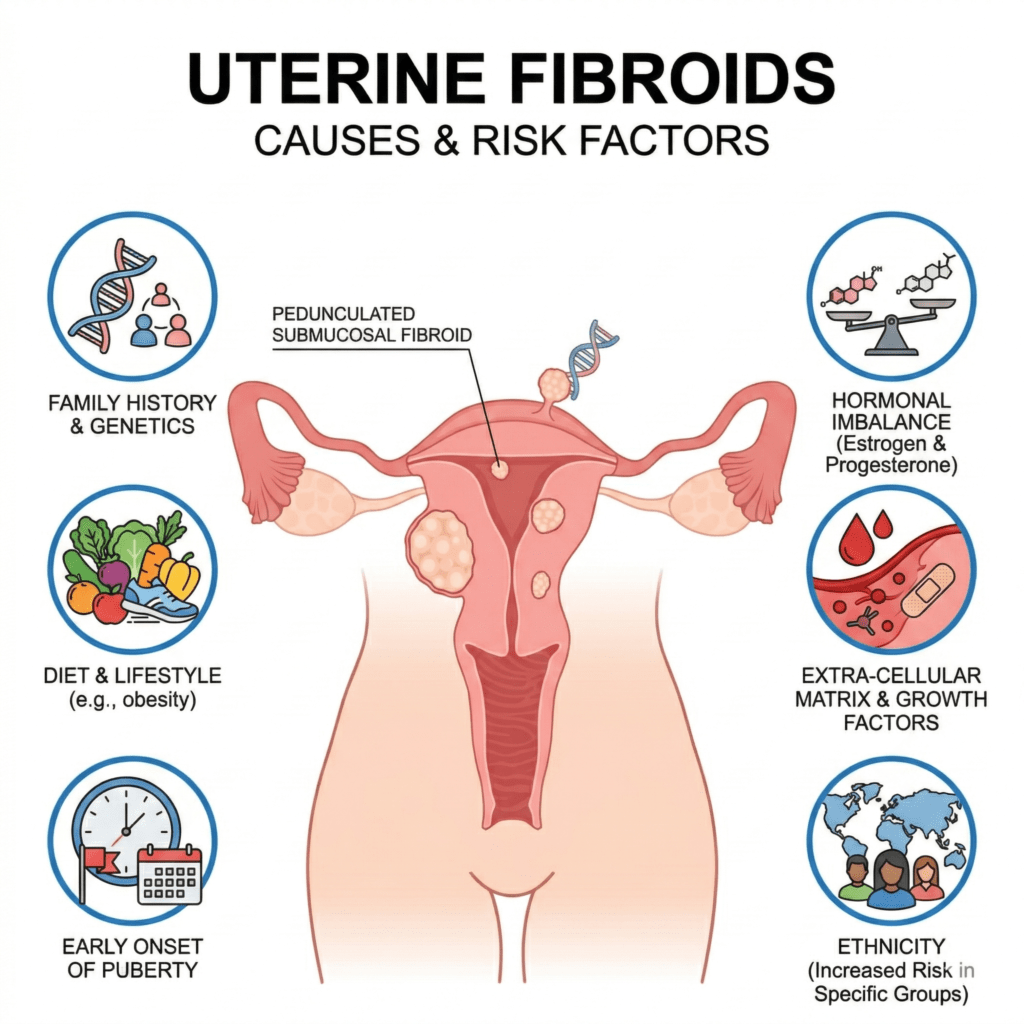
Fibroids can appear in different parts of the uterus. For example, they may develop inside the uterine cavity, within the uterine wall, or even on the outer surface. Because of this, their impact on the body can differ significantly. Hence, consulting a Gynecologist in Chinchwad ensures accurate diagnosis and tailored treatment.
Hormonal Imbalance and Fibroids – Advice from a Gynecologist in Chinchwad
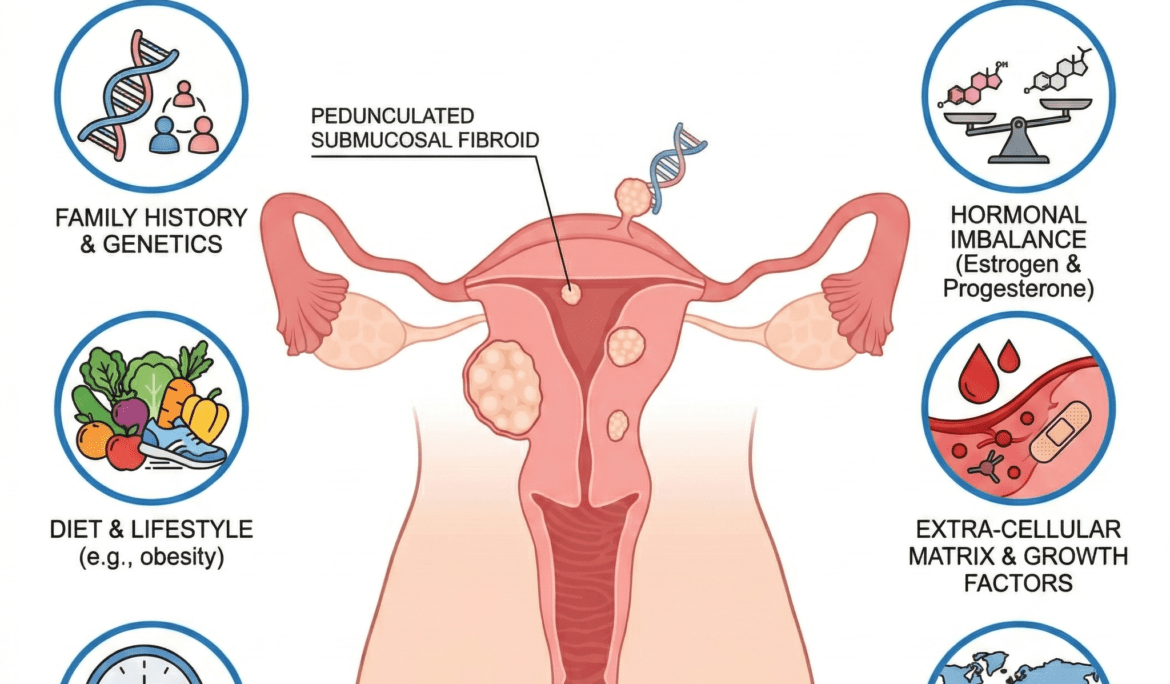
Hormones play a central role in the development of fibroids. Specifically, estrogen and progesterone regulate the menstrual cycle and significantly influence fibroid growth. When these hormones become imbalanced, the risk of fibroids increases.
Estrogen and Uterine Fibroid Growth Explained by a Gynecologist in Chinchwad
Notably, estrogen acts like fuel for fibroids. As estrogen levels rise, fibroids tend to grow faster. On the other hand, after menopause, estrogen levels drop, and fibroids often shrink. This clearly shows the connection between estrogen and uterine fibroid growth.
In addition, hormonal imbalance and fibroids are closely linked to lifestyle and health conditions. Therefore, seeking advice from a Gynecologist in Chinchwad can help manage hormone levels effectively.
Genetic Causes of Uterine Fibroids – Gynecologist in Chinchwad Insights
Family History and Gene Mutations – Expert Gynecologist in Chinchwad Guide
Another important factor is genetics. If fibroids run in your family, your chances of developing them increase. In fact, studies have shown that women with a family history are significantly more likely to experience fibroids.
Furthermore, certain gene mutations have been linked to fibroid formation. Because of this, early screening becomes essential. Thus, consulting a Gynecologist in Chinchwad can help monitor your condition proactively.
Growth Factors in the Body
Cellular Growth and Fibroid Formation
Apart from hormones and genetics, growth factors in the body also play a role. These substances help tissues grow and repair. However, when they become overactive, they may contribute to fibroid formation.
Similarly, excessive growth signals can lead to abnormal tissue development. As a result, fibroids may begin to form within the uterus. Therefore, understanding these internal processes helps in better prevention strategies.
Early Menstruation Fibroid Risk
Interestingly, the age at which menstruation begins can influence fibroid risk. If periods start early, the body is exposed to estrogen for a longer duration. Consequently, this increases the likelihood of fibroid development.
This is why early menstruation fibroid risk is considered a significant factor. Hence, regular monitoring by a Gynecologist in Chinchwad is recommended, especially for women with early onset periods.
Obesity and Fibroid Development
In addition, body weight plays a crucial role in hormonal balance. Specifically, fat cells produce estrogen, which can elevate hormone levels. As a result, obesity and fibroid development are strongly connected.
Therefore, maintaining a healthy weight is not just about appearance—it’s about overall well-being. By adopting a balanced diet and regular exercise routine, women can reduce their risk significantly.
Lifestyle Causes of Uterine Fibroids
Beyond genetics and hormones, lifestyle choices also contribute to fibroid formation. For instance, diets high in red meat and low in fruits and vegetables have been linked to increased risk.
Additionally, lack of physical activity, high stress levels, and alcohol consumption can worsen the condition. On the contrary, a healthy lifestyle acts as a protective shield. Thus, a Gynecologist in Chinchwad often recommends lifestyle modifications as part of preventive care.
Risk Factors of Uterine Fibroids in Women
Several factors can increase the likelihood of fibroids. These include:
- Age between 30 To 50 years
- Family history
- High estrogen exposure
- No pregnancy history
By understanding these risk factors of uterine fibroids in women, individuals can take early action and reduce complications.
Symptoms of Uterine Fibroids
Can Uterine Fibroids Affect Fertility and Pregnancy?
Although many fibroids are asymptomatic, some women experience noticeable symptoms. For example, heavy menstrual bleeding, pelvic pain, and frequent urination are common signs.
In some cases, back pain and discomfort during intercourse may occur. Therefore, if you notice any unusual symptoms, it’s important to consult a Gynecologist in Chinchwad promptly.
Diagnosis of Fibroids
To begin with, doctors perform a pelvic examination. Following that, imaging tests like ultrasound and MRI provide detailed insights.
In certain cases, hysteroscopy may be required for a closer look. For further information, visit:
🔗 https://chetnahospital.co.in/doctor/dr-bharati-patil/
Advanced Technology Available at Chetna Hospital
- High-resolution ultrasound
- Minimally invasive laparoscopic surgery
- Fibroid-specific treatment planning
Handled by:
👩⚕️ Dr. Bharati D Patil – Gynecologist in Chinchwad
Which Treatment Is Best for Fibroids in Chinchwad?Options for Fibroids
Medications
Initially, doctors may recommend medications such as hormonal therapy and pain relievers. Additionally, iron supplements help manage anemia caused by heavy bleeding.
Non-Surgical Treatments
Alternatively, procedures like uterine artery embolization and MRI-guided ultrasound are available. These methods are less invasive and effective in many cases.
Surgical Treatments
However, in severe cases, surgery may be necessary. Options include myomectomy and hysterectomy. Therefore, consulting a Gynecologist in Chinchwad ensures the best treatment plan.
| Treatment Type | Description | Suitability |
| Medication | Hormonal therapy & pain relievers | Small fibroids/Symptom control |
| Non-Surgical | Uterine Artery Embolization (UAE) | Patients avoiding surgery |
| Laparoscopic | Minimally invasive removal (Myomectomy) | Women planning future pregnancy |
| Surgical | Hysterectomy | Severe cases/Permanent solution |
Next Step: Book a consultation with Dr. Bharati Patil at +91 9168690447 for a personalized pelvic scan.
For advanced cases, Chetna Hospital offers specialized Laparoscopic Myomectomy
and Gynaecology & Obstetrics care in Chinchwad.
Laparoscopic Myomectomy vs Open Surgery – Which Is Better?
| Feature | Laparoscopic Myomectomy | Open Surgery |
|---|---|---|
| Incision | Small cuts | Large cut |
| Recovery | Faster (1–2 weeks) | Slower (4–6 weeks) |
| Pain | Less | More |
| Hospital Stay | Short | Longer |
MRI-Guided Focused Ultrasound vs Uterine Artery Embolization
| Feature | MRI-Guided Ultrasound | Uterine Artery Embolization |
|---|---|---|
| Invasive | Non-invasive | Minimally invasive |
| Recovery | Very quick | Moderate |
| Best For | Small fibroids | Multiple fibroids |
Prevention and Lifestyle Tips
Fortunately, certain habits can reduce the risk of fibroids. For example, maintaining a healthy weight and eating fiber-rich foods are highly beneficial.
What Foods Should You Avoid With Fibroids?
- Red meat
- Refined carbs
- Excess soy products
- Alcohol
Additionally, regular exercise, limiting alcohol intake, and reducing red meat consumption can help. Most importantly, regular check-ups with a Gynecologist in Chinchwad ensure early detection.
What Is the Recovery Timeline After Fibroid Surgery?
- Day 1–3: Mild pain, rest required
- Week 1–2: Resume light activities
- Week 3–6: Full recovery (depends on surgery type)
Do You Offer Insurance & Cashless Treatment in Chinchwad?
- Cashless facilities available
- Tie-ups with major TPAs in PCMC
- Support for insurance documentation
Conclusion
To sum up, uterine fibroids are common and usually non-cancerous. However, their causes are linked to hormones, genetics, and lifestyle factors. By understanding these causes, women can take proactive steps toward better health.
Ultimately, early diagnosis and proper care from a qualified Gynecologist in Chinchwad can lead to effective management and improved quality of life.
👩⚕️ Dr. Bharati D Patil
📅 Book your appointment today:
📞 9168690447 | 9158681123
🌐 www.chetnahospital.co.in
📍 Chetna Hospital, Sambhaji Nagar, Chinchwad, Pune
🔗 https://chetnahospital.co.in/doctor/dr-bharati-patil/
Visit Now – https://maps.app.goo.gl/
Expert Gynecology Care Near You (PCMC & Pune)
Chetna Hospital is centrally located to serve the following areas within minutes:
How to Reach: Conveniently located near the Old Mumbai-Pune Highway, making us easily accessible for residents across the PCMC belt.
Primary Focus (0-5 km): Chinchwad, Akurdi, Nigdi, Ravet, and Sambhaji Nagar.
Extended Reach (05km to 15 km): We are a preferred choice for patients seeking a Gynecologist in Wakad, Hinjewadi, Pimple Saudagar, and Bhosari.
FAQs Answered by a Gynecologist in Chinchwad
The most common cause is hormonal imbalance and fibroids, especially excess estrogen that promotes uterine fibroid growth. A Gynecologist in Chinchwad can help manage hormone levels.
Early signs include heavy periods, pelvic pain, and frequent urination. A Gynecologist in Chinchwad can detect fibroids early through proper diagnosis.
Untreated fibroids may cause pain, heavy bleeding, anemia, or fertility issues. Consult a Gynecologist in Chinchwad for timely treatment options.
Manage hormones, maintain weight, eat healthy, and exercise regularly. A Gynecologist in Chinchwad can guide prevention and treatment plans.
Avoid red meat, processed foods, alcohol, and high-fat diets. These increase estrogen and uterine fibroid growth. Seek diet advice from a Gynecologist in Chinchwad.
⚠️ Medical Disclaimer:
This content is for informational purposes only and does not replace professional medical advice. Always consult a qualified Gynecologist in Chinchwad for diagnosis and treatment.
Take the First Step to Better Health
Don’t let pelvic pain or heavy bleeding affect your quality of life. Consult Dr. Bharati Patil for a personalized treatment plan.
Book the Best Gynecologist in Chinchwad Today
📍 Visit Us: Chetna Hospital, Sambhaji Nagar, Chinchwad, Pune.
📞 Call for Appointment: +91 9168690447 / +91 9158681123
💬 WhatsApp Us: Click here to Chat


2 Comments
Bleeding After Menopause: The One Sign I Never Ignore | Gynaecologist in Chinchwad - Chetna Hospital
[…] on early perimenopause symptoms. For heavy or irregular bleeding before menopause, our article on causes of uterine fibroids may help. You can also see our gynaecology and maternity services and laparoscopic and […]
Period Delay Tablets: What You Should Know - Chetna Hospital
[…] your periods are irregular or heavy, a period-delay tablet is not the answer. Read our article on causes of uterine fibroids, or, if you are in your forties and cycles are changing, our guide on early perimenopause symptoms. […]