Rosacea treatment and causes are often misunderstood, which is why many people struggle to manage this chronic skin condition effectively. If you’ve ever noticed persistent redness on your cheeks or unexplained flare-ups that resemble acne, you’re not alone. In fact, rosacea affects millions of people worldwide, yet it frequently goes undiagnosed or mismanaged due to confusion with other skin issues.
So, what exactly is happening beneath your skin? More importantly, how can you control it without feeling overwhelmed? In this guide, we’ll break down everything you need to know—from early signs and triggers to affordable treatment options. Along the way, you’ll gain practical insights that actually work in real life, not just in theory.
What is Rosacea Treatment and Causes Explained?
Understanding Chronic Skin Inflammation
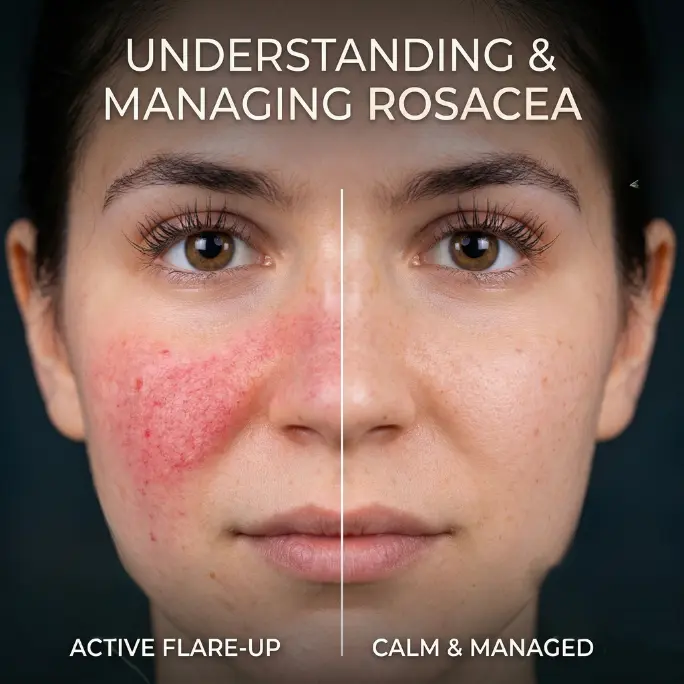
Rosacea is one of those skin conditions that tends to sneak up quietly and then stay longer than expected. At its core, rosacea is a chronic inflammatory skin condition that primarily affects the face—especially the cheeks, nose, forehead, and chin. It often begins with mild redness that looks like a blush or sunburn, but over time, it can become persistent and more noticeable. Unlike temporary irritation, rosacea doesn’t just disappear on its own, which is why understanding it early can make a huge difference in managing it effectively.
Think of your skin like a sensitive alarm system. In rosacea, that system becomes overactive. Everyday triggers like sunlight, spicy food, or even stress can cause your skin to react dramatically. The inflammation leads to redness, swelling, and sometimes even acne-like bumps. What makes rosacea tricky is that it behaves differently in each person, meaning no two cases look exactly the same.
Why Rosacea is Often Misdiagnosed
Many people confuse rosacea with acne, allergies, or even simple skin sensitivity. This confusion delays proper treatment and often worsens the condition. Because rosacea can mimic acne with red bumps and pimples, people may use acne treatments that actually irritate their skin further. It’s like trying to fix a delicate watch with a hammer—it just doesn’t work.
Dermatologists like Dr. Aishwarya Patil emphasize early diagnosis to prevent progression. Visiting a specialist ensures you’re not treating the wrong condition and helps you avoid unnecessary frustration.
Rosacea Treatment and Causes vs Acne: Key Differences
Appearance and Symptoms
At first glance, rosacea and acne might look like twins—but they’re more like distant cousins. Acne typically includes blackheads, whiteheads, and clogged pores, whereas rosacea usually lacks these features. Instead, rosacea presents with persistent redness, visible blood vessels, and sometimes pus-filled bumps.
Another key difference lies in the skin’s behavior. Acne-prone skin is often oily, while rosacea-affected skin tends to be extremely sensitive and prone to burning or stinging sensations. If your skin reacts harshly to common skincare products, rosacea could be the culprit.
Treatment Differences
Treating acne and rosacea requires completely different approaches. Acne treatments often involve strong exfoliants or oil-control products, which can aggravate rosacea. Rosacea treatment focuses on calming inflammation and protecting the skin barrier.
Here’s a simple comparison:
| Feature | Acne | Rosacea |
|---|---|---|
| Blackheads | Common | Rare |
| Skin Sensitivity | Moderate | High |
| Redness | Occasional | Persistent |
| Treatment Focus | Oil control | Inflammation control |
Early Signs Linked to Rosacea Treatment and Causes
Facial Redness and Flushing
The earliest sign of rosacea is often frequent flushing. You might notice your face turning red after drinking hot beverages, eating spicy food, or being exposed to sunlight. At first, this redness fades—but over time, it becomes permanent.
Sensitive and Burning Skin
Another early warning sign is heightened sensitivity. Your skin may feel like it’s constantly irritated, even when using gentle products. This burning or stinging sensation is your skin’s way of telling you something isn’t right.
Common Symptoms: Red Bumps and Beyond
Persistent Redness
Persistent redness is the hallmark of rosacea. Unlike temporary redness from exercise or embarrassment, this doesn’t fade easily. It often centers on the cheeks and nose, giving a flushed appearance that can affect confidence.
Visible Blood Vessels
As rosacea progresses, tiny blood vessels become visible on the skin’s surface. These are called telangiectasia, and they create a web-like pattern that’s difficult to hide without treatment.
Understanding Rosacea Treatment and Causes
Genetic and Environmental Factors
The exact cause of rosacea remains unclear, but experts agree it’s a mix of genetics and environmental triggers. If someone in your family has rosacea, your chances increase significantly. Scientists also believe immune system responses and microscopic skin mites may play a role.
Triggers That Worsen Rosacea
Certain lifestyle factors can worsen rosacea symptoms:
- Sun exposure
- Stress
- Alcohol
- Spicy foods
- Hot beverages
Avoiding these triggers can significantly reduce flare-ups.
Is Rosacea Contagious?
Let’s clear this up once and for all—rosacea is NOT contagious. You cannot catch it from someone else through touch, sharing items, or close contact. It’s a medical condition, not an infection, so there’s no need for concern about spreading it.
Rosacea Demographics: Who Gets It Most?
Rosacea is often associated with people of fair skin, particularly those of Celtic descent, which is why it’s sometimes called the “Curse of the Celts.” However, it can affect anyone, regardless of skin tone. It’s most common in adults aged 30 to 50 and tends to be more severe in men.
The 4 Types of Rosacea
Erythematotelangiectatic Rosacea
This type involves persistent redness and visible blood vessels. It’s the most common form and often the earliest stage.
Papulopustular Rosacea
Often mistaken for acne, this type includes red bumps and pus-filled pimples.
Phymatous Rosacea
This rarer form causes thickened skin, especially around the nose, leading to a bulbous appearance.
Ocular Rosacea
Affects the eyes, causing redness, dryness, and irritation. Many people don’t realize their eye symptoms are linked to rosacea.
The 4 Stages of Rosacea
Rosacea doesn’t appear overnight—it progresses through stages:
- Pre-rosacea: Occasional flushing
- Mild rosacea: Persistent redness
- Moderate rosacea: Bumps and visible vessels
- Severe rosacea: Thickened skin and complications
Subtype Checks: Identifying Your Condition
Understanding your subtype helps tailor treatment. Dermatologists assess symptoms, skin behavior, and triggers to determine the exact type.
The “Curse of the Celts” Explained
This nickname comes from the higher prevalence of rosacea among individuals of Northern European descent. Fair skin is more reactive to environmental triggers, making rosacea more noticeable.
How to Treat Rosacea on a Budget
Managing rosacea doesn’t have to break the bank. Start with gentle skincare, avoid triggers, and use dermatologist-recommended medications. Affordable options like sunscreen and mild cleansers can make a big difference.
Laser Therapy for Rosacea
Laser treatments target visible blood vessels and reduce redness effectively. While more expensive, they offer long-term results and improved skin appearance.
When to See a Dermatologist
If redness persists, bumps worsen, or your eyes become irritated, it’s time to consult a specialist.
Dr. Aishwarya Patil – Dermatologist
First floor, Chetna Hospital, near HP petrol pump, Sambhajinagar, Chinchwad
📞 Appointment Now
Conclusion
Rosacea may be chronic, but it’s far from uncontrollable. With the right knowledge, early detection, and proper care, you can manage symptoms effectively and maintain healthy, confident skin. Understanding triggers, choosing the right treatments, and consulting a qualified dermatologist like Dr. Aishwarya Patil can make all the difference in your journey.
FAQs
The exact cause is unknown, but it involves genetics, immune response, and environmental triggers like sun exposure and stress.
While it cannot be permanently cured, it can be controlled with medication, lifestyle changes, and skincare routines.
Frequent flushing, redness, and sensitive skin are the earliest signs.
Pre-rosacea, mild, moderate, and severe stages describe its progression.
There’s no direct deficiency, but low vitamin D or B vitamins may worsen symptoms in some cases.
A dermatologist can diagnose it based on symptoms and clinical examination.