Finding the right ICU doctor near me can be one of the most important searches you’ll ever make. When someone you care about faces a life-threatening situation, having access to skilled intensive care becomes critical. Understanding what intensive care involves and having monitoring & life support explained simply can help families feel more prepared during these challenging times.
What Does an ICU Doctor Do?
An ICU doctor, also known as an intensivist, specializes in treating patients who are critically ill or injured. These medical professionals have specialized training in managing complex medical conditions that require constant monitoring and advanced life support systems.
Key Responsibilities of an ICU Doctor:
- 24/7 Patient Monitoring: Continuously watching vital signs and responding to changes immediately
- Life Support Management: Operating and adjusting ventilators, dialysis machines, and other critical equipment
- Emergency Response: Making quick decisions during medical emergencies
- Family Communication: Explaining treatment plans and patient progress to family members
- Team Coordination: Working with nurses, specialists, and other healthcare professionals
When searching for an ICU doctor near me, you want someone who combines medical expertise with compassionate care. The intensive care unit can be an overwhelming place for families, making clear communication essential.
When Do You Need an ICU Doctor?
Understanding when intensive care becomes necessary helps families recognize serious medical situations. ICU admission typically occurs when patients need:
Immediate Life Support:
- Breathing assistance through mechanical ventilation
- Heart function support with medications or devices
- Kidney support through dialysis when organs fail
- Blood pressure management with specialized medications
- Neurological monitoring after brain injuries or strokes
Critical Medical Conditions:
- Severe infections or sepsis
- Major surgery complications
- Heart attacks or cardiac arrest
- Respiratory failure
- Multiple organ failure
- Severe trauma from accidents
- Drug overdoses or poisoning
The decision to move a patient to intensive care isn’t taken lightly. ICU doctors evaluate each case carefully, considering the patient’s overall condition and potential for recovery.
Understanding Monitoring & Life Support Explained Simply
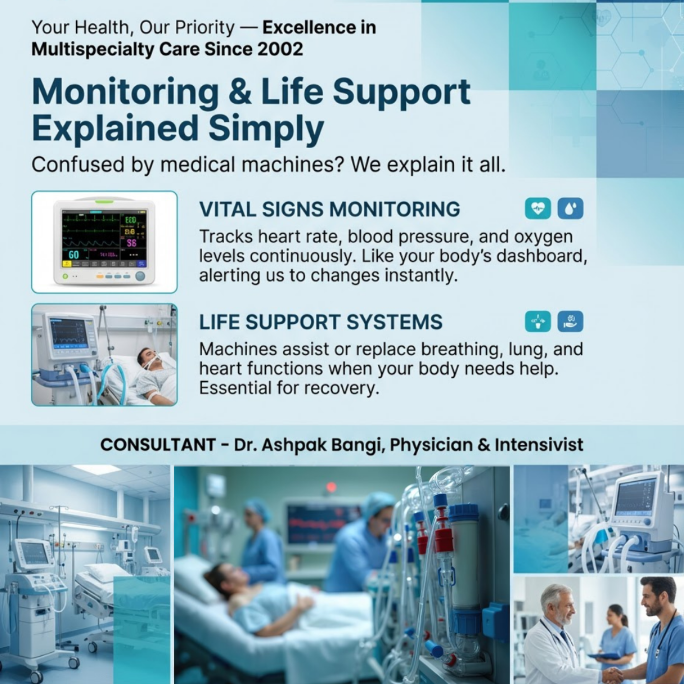
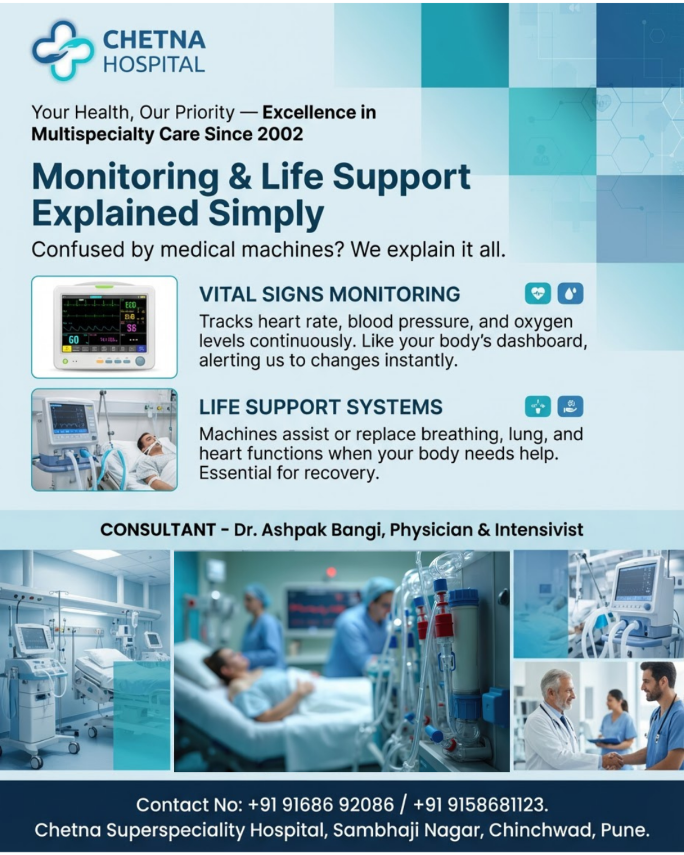
Many families feel confused by the complex equipment in intensive care units. Having monitoring & life support explained simply can reduce anxiety and help families understand their loved one’s treatment.
Essential Monitoring Equipment:
Heart Monitors: These machines track heart rhythm and rate continuously. The beeping sounds indicate heartbeats, and different patterns help doctors identify problems quickly.
Blood Pressure Monitors: These devices measure how hard the heart works to pump blood. Numbers appear on screens, showing both high and low pressure readings.
Oxygen Monitors: Small sensors, usually on fingers or ears, measure oxygen levels in the blood. This helps doctors know if patients are getting enough oxygen.
Temperature Monitors: Continuous temperature tracking helps identify infections or other complications early.
Life Support Systems:
Ventilators: These machines help patients breathe when their lungs can’t work properly. A tube goes into the patient’s airway, and the machine pushes air in and out of the lungs.
IV Pumps: These devices deliver medications directly into the bloodstream at precise rates. Different pumps may give different medications simultaneously.
Dialysis Machines: When kidneys stop working properly, these machines filter waste and excess fluid from the blood, doing the job kidneys normally handle.
Feeding Tubes: Patients who can’t eat normally receive nutrition through tubes that go directly to their stomach or through their veins.
Meet Dr. Ashpak Bangi – Your Local ICU Specialist
When looking for an ICU doctor near me, Dr. Ashpak Bangi stands out as a qualified physician and intensivist serving the local community. His medical training and experience in intensive care make him well-equipped to handle critical medical situations.
Dr. Bangi’s Qualifications:
- Licensed physician with specialized training
- Board-certified intensivist
- Extensive experience in critical care medicine
- Committed to patient-centered care
Contact Information:
Phone Numbers: +91 91686 92086 / +91 9158681123
Having direct contact with your ICU doctor provides peace of mind for families dealing with medical emergencies. Dr. Bangi understands that clear communication during critical times helps families cope with difficult situations.
Practice Location:
Chetna Superspeciality Hospital, Thermax Chowk, Sambhaji Nagar, serving patients from:
- Chinchwad
- Akurdi
- Nigdi
- Talawadi
- Wakad
- Bhosari
Common Conditions Treated in the ICU
ICU doctors handle a wide range of critical medical conditions. Understanding these conditions helps families recognize when intensive care might be necessary.
Respiratory Conditions:
- Acute Respiratory Distress Syndrome (ARDS): Severe lung inflammation that makes breathing extremely difficult
- Pneumonia complications: When lung infections become life-threatening
- Chronic obstructive pulmonary disease (COPD) exacerbations: Severe flare-ups of lung disease
- Asthma attacks: Severe breathing difficulties that don’t respond to normal treatments
Cardiovascular Emergencies:
- Heart attacks: When blood flow to the heart muscle is blocked
- Cardiac arrest: When the heart stops beating effectively
- Severe heart failure: When the heart can’t pump blood adequately
- Dangerous heart rhythm problems: Irregular heartbeats that threaten life
Neurological Emergencies:
- Stroke: When blood flow to the brain is interrupted
- Traumatic brain injuries: Head injuries from accidents
- Seizures: Uncontrolled brain electrical activity
- Brain infections: Meningitis or encephalitis
Systemic Conditions:
- Sepsis: Body-wide infection that can cause organ failure
- Multi-organ failure: When several body systems stop working
- Severe dehydration: Dangerous fluid loss
- Medication overdoses: Toxic levels of drugs or substances
What to Expect During ICU Treatment
Understanding the ICU experience helps families prepare for intensive care situations. The environment differs significantly from regular hospital rooms.
The ICU Environment:
Advanced Equipment: Every bed has sophisticated monitoring and life support equipment. The sounds and lights can seem overwhelming initially, but they provide essential information about the patient’s condition.
Specialized Staff: ICU nurses receive advanced training and typically care for fewer patients than regular floor nurses. This allows for more intensive monitoring and immediate response to changes.
Visiting Restrictions: ICU units often have limited visiting hours and restrict the number of visitors to maintain a healing environment and prevent infections.
Treatment Intensity: Patients receive more frequent assessments, medication adjustments, and interventions compared to regular hospital care.
Daily ICU Routine:
Morning Rounds: The medical team, including the ICU doctor, reviews each patient’s condition and adjusts treatment plans.
Continuous Assessment: Nurses check patients every few hours, monitoring vital signs, medication effects, and overall condition.
Family Updates: Healthcare providers typically schedule regular times to speak with families about patient progress and treatment plans.
Procedure Coordination: Various specialists may visit to perform tests or procedures as needed.
Recovery Process:
Recovery in the ICU happens gradually. Patients may show small improvements daily rather than dramatic changes. ICU doctors focus on stabilizing critical body functions before patients can move to regular hospital rooms.
Weaning from Support: As patients improve, medical teams gradually reduce life support assistance. This might involve decreasing ventilator settings or reducing medication doses.
Rehabilitation Planning: Even while in intensive care, teams begin planning for recovery and rehabilitation needs.
Family Support and Communication
ICU doctors understand that critical illness affects entire families, not just patients. Effective communication becomes essential during these stressful times.
Communication Strategies:
Regular Updates: ICU teams typically provide daily updates about patient condition and treatment plans. These conversations help families understand progress and setbacks.
Clear Explanations: Medical professionals should explain treatments and procedures in understandable terms, avoiding confusing medical jargon.
Question Encouragement: Families should feel comfortable asking questions about treatments, prognosis, and expectations.
Decision Support: When treatment decisions arise, ICU doctors help families understand options and potential outcomes.
Emotional Support:
Stress Management: ICU stays create significant stress for families. Healthcare teams often provide resources for emotional support and stress management.
Realistic Expectations: ICU doctors help families understand typical recovery timelines and potential complications.
Hope and Honesty: Balancing realistic medical information with appropriate hope helps families cope with uncertainty.
Practical Considerations:
Extended Stays: ICU treatment can last days, weeks, or longer. Families need to prepare for potentially long hospital stays.
Financial Planning: Intensive care involves high costs. Hospital financial counselors can help families understand insurance coverage and payment options.
Work and Family Coordination: Extended ICU stays require families to manage work responsibilities and care for other family members.
Location and Accessibility
When searching for an ICU doctor near me, location and accessibility matter significantly during medical emergencies. Dr. Ashpak Bangi practices at Chetna Superspeciality Hospital, strategically located in Thermax Chowk, Sambhaji Nagar.
Service Area Coverage:
The hospital serves patients from multiple surrounding communities:
Chinchwad: Ideally located for those near Chinchwad Railway Station and Elpro City Square Mall.
Akurdi: Quick access via the Old Pune-Mumbai Highway, serving the Akurdi Chowk and Khandoba Maal areas.
Nigdi: Quick response times for medical emergencies
Thergaon: Convenient for families near Aditya Birla Hospital Road and Thergaon Phata.
Ravet: Serving the growing residential hubs near BRTS Road and the Mukai Chowk vicinity.
Talawadi: Accessible intensive care services
Wakad: Proximity for urgent medical situations
Bhosari: Reliable critical care access
Transportation Considerations:
Emergency Access: Emergency ICU Access for PCMC Residents. The location provides good access for ambulance services from surrounding areas.
Family Accessibility: Easy location for family members to visit and participate in care decisions.
Parking and Amenities: Hospital facilities are designed to accommodate families during extended ICU stays.
Contact Information for Emergencies:
Primary Contact: +91 91686 92086 Secondary Contact: +91 9158681123
Having multiple contact numbers ensures families can reach Dr. Bangi’s team during critical situations.
Preparing for ICU Care
Understanding how to prepare for potential ICU care helps families feel more confident during medical crises.
Important Information to Gather:
Medical History: Complete list of current medications, allergies, and previous medical conditions
Insurance Information: Insurance cards and policy details
Emergency Contacts: List of family members and friends to notify
Legal Documents: Advance directives, power of attorney, and other important papers
Supporting Your Loved One:
Presence and Communication: Even unconscious patients may hear familiar voices
Comfort Items: Small personal items that might provide comfort
Care Coordination: Working with healthcare teams to provide comprehensive support
Finding the right ICU doctor near me means finding someone who combines medical expertise with compassionate care. Dr. Ashpak Bangi and his team at Chetna Superspeciality Hospital provide critical care services with understanding and support for both patients and families. When medical emergencies arise, having access to skilled intensive care can make the difference in patient outcomes. Don’t wait until an emergency occurs – familiarize yourself with local ICU services and keep important contact information readily available.
Contact Dr. Ashpak Bangi today at +91 91686 92086 or +91 9158681123 for more information about ICU services and critical care support.
Clinic Name: Chetna Hospital
Expert Physician: Dr. Ashpak Bangi (Physician And Intensivist in PCMC)
Address: Plot No, GP 116, Thermax Chowk, Sambhaji Nagar, near Rotary Club, G Block, MIDC, Chinchwad, Pimpri-Chinchwad, Pune, Maharashtra 411019
Phone: +91 91686 92086
Website: https://chetnahospital.co.in/doctor/dr-ashpak-khudabaksh-bangi/
Clinical FAQ’s: Your Questions Answered
A. Dr. Ashpak Bangi provides 24/7 critical care at Chetna Hospital, Thermax Chowk, Sambhaji Nagar, Chinchwad.
A. Yes, the hospital is within a 5 km radius of Nigdi and Akurdi, ensuring quick emergency transport.
A. Yes, he is a leading intensivist specializing in multi-organ failure and life support management.
Why Choose Dr. Ashpak Bangi for ICU & Critical Care?
If you are searching for a specialized ICU doctor near me for an urgent clinic visit or emergency critical care in the Chinchwad-Pune area, Dr. Ashpak Bangi (MBBS, DNB/MD), with 17+ years of experience, offers expert medical intervention at Chetna Superspeciality Hospital. Here is why families in the PCMC region trust our care:
- Expert Intensivist Oversight: Dr. Ashpak Bangi provides specialized medical intervention for complex, life-threatening conditions, ensuring every patient receives a personalized recovery roadmap.
- Rapid Emergency Response: Located centrally in Chinchwad, we are within a 5 km radius of Nigdi, Akurdi, and Walhekarwadi, making us the ideal choice for “near me” emergency critical care.
- Advanced Life Support Technology: Our ICU is equipped with high-end ventilators, continuous hemodynamic monitoring, and dialysis support to manage multi-organ failure.
- 24/7 Availability for Urgent Visits: Whether it is a sudden medical crisis or a scheduled clinic visit for a physician consultation, our critical care team is available round-the-clock.
- Compassionate Family Communication: We believe in transparency. Dr. Bangi and our staff prioritize keeping families informed with daily updates and clear explanations of life support systems.
https://www.practo.com/pune/doctor/dr-ashpak-bangi-anesthesiologist